
Across the nation, educators are navigating heavier workloads than ever. Between lesson planning, grading, classroom management, and meeting diverse student needs, teachers face increasing demands on their time. Meanwhile, schools are expected to deliver engaging, tech-forward instruction that prepares students for the future.
Traditional professional development and static curriculum materials can’t keep pace with these expectations. That’s where VR content libraries—like those offered by Optima—are changing the landscape of teacher support.
What Is a VR Content Library?
A VR content library is a collection of immersive, curriculum-aligned experiences that teachers can easily access and integrate into their lessons. Rather than replacing creativity, VR gives educators the tools to enhance their own lessons—transforming their ideas into dynamic, interactive experiences.
Optima’s VR content library includes:
-
300+ immersive locations
-
5,000+ interactive 3D avatars
-
30+ animated lessons
These resources empower teachers to make complex topics come alive while reclaiming valuable planning time.
1. Reducing Lesson Planning Time
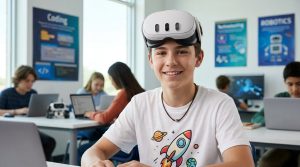 Teachers often spend hours sourcing engaging visuals or building digital presentations. With a VR content library, those visual and experiential elements are at their fingertips. Educators can search for experiences that complement their lesson themes—like “Ancient Greece,” “Photosynthesis,” or “The Civil War”—and integrate them directly into instruction.
This efficiency gives teachers more time for what matters most: personal connection and meaningful learning moments.
2. Enhancing Classroom Engagement
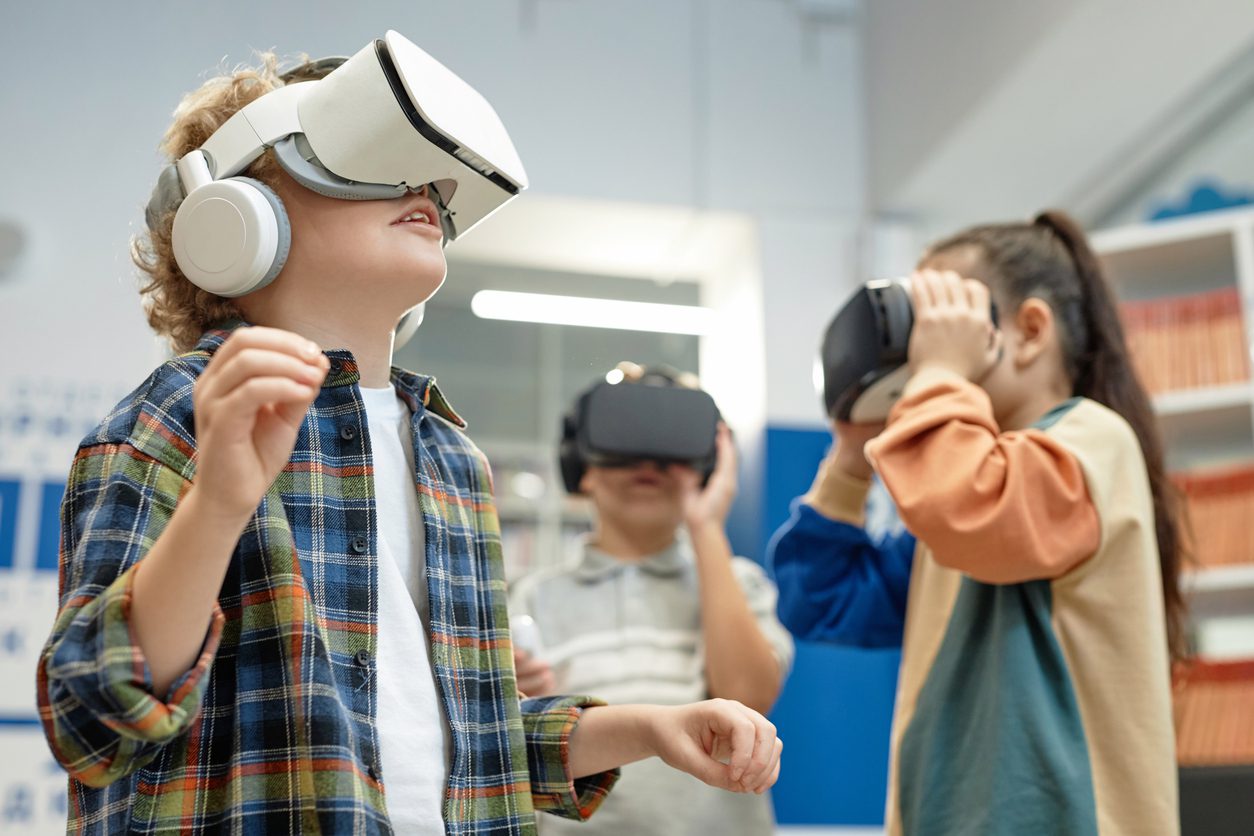
Students remember more when they experience concepts firsthand. A VR content library transforms passive lessons into active participation. Instead of reading about the pyramids, students can walk among them. Instead of memorizing the periodic table, they can explore atomic structures in 3D.
VR doesn’t take over the classroom; it amplifies a teacher’s impact.
3. Supporting Diverse Learning Needs
Every classroom contains a range of learning styles and abilities. VR content offers multiple sensory entry points—visual, auditory, and kinesthetic—making it a powerful tool for differentiated instruction.
Optima’s environments even include features for students with dyslexia, dyscalculia, or sensory sensitivities, giving teachers more inclusive tools without requiring additional resources.
4. Aligning with Standards and Curriculum
One of the biggest challenges with educational technology is ensuring alignment to standards. Optima’s VR content library is designed to integrate seamlessly with classical and standards-based curricula. Teachers can filter experiences by subject, grade level, or objective, ensuring every immersive moment supports measurable outcomes.
5. Empowering Teachers as Innovators
 VR doesn’t replace teachers; it elevates them. By removing the burden of constant content creation, educators can focus on what they do best: facilitating discussion, encouraging critical thinking, and guiding exploration. With access to a powerful library of immersive tools, teachers become architects of deeper, more meaningful learning journeys.
The Future of Teaching Is Immersive
As education continues evolving toward experiential and personalized learning, VR content libraries will be essential—not optional. Schools that invest in immersive content today are building stronger teacher retention, higher student engagement, and more flexible instructional models for the future.
Optima empowers educators with the world’s largest K–12 VR content library—designed by educators, for educators—because when teachers are supported, students thrive.

Bridgette Hudak