
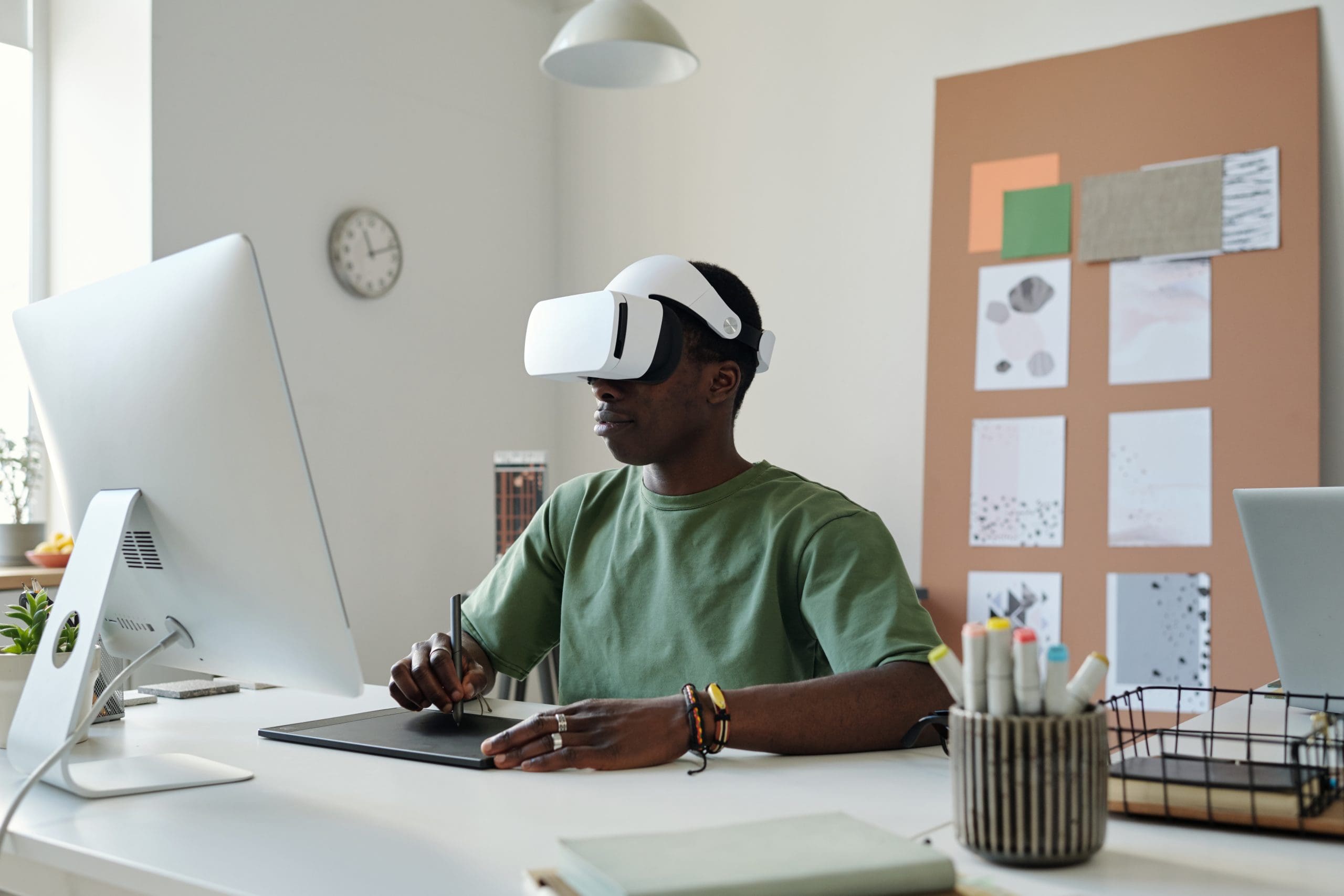
Extended Reality (XR) has the power to transform classrooms—making learning more immersive, hands-on, and memorable. But one of the most important steps in any successful XR implementation isn’t the technology itself. It’s the teachers who bring it to life.
While some educators are early adopters, others may approach XR with hesitation. Concerns about complexity, classroom management, or the learning curve can create skepticism. The good news: with the right strategies, skeptical teachers can become XR’s biggest advocates.
1. Start with “Why,” Not Just “How”
Before diving into device setup or software training, focus on the purpose of XR. Teachers are more likely to embrace new technology when they clearly understand how it enhances learning outcomes.
-
Show how XR connects to curriculum goals.
-
Highlight real-world examples of increased student engagement and retention.
-
Share case studies from schools with similar student populations or academic priorities.
When educators see XR as a tool to support their teaching goals, rather than another initiative to manage, resistance often softens.
2. Make Training Practical, Not Theoretical
Lengthy presentations or one-size-fits-all PD sessions won’t win over teachers. Instead, offer hands-on training where educators experience XR as learners first.
-
Let teachers explore a virtual field trip or historical simulation.
-
Provide guided practice in short, digestible sessions.
-
Pair early adopters with hesitant colleagues for peer-led demos.
This approach builds comfort and confidence, showing teachers how seamlessly XR can fit into their daily routines.
3. Start Small and Celebrate Wins
The best way to build momentum is through early, achievable success. Encourage teachers to begin with simple use cases—like a single VR experience to reinforce a lesson—rather than a full curriculum overhaul.
When these early efforts lead to increased engagement or improved understanding, celebrate those wins school-wide.
-
Share success stories in staff meetings.
-
Spotlight teacher champions on social channels or newsletters.
-
Recognize creative classroom uses of XR with small incentives or professional recognition.
A culture of celebration builds enthusiasm organically.
4. Equip Them with Ready-to-Use Content

One of the biggest barriers to adoption is time. Teachers already juggle lesson planning, grading, and administrative tasks. Providing turnkey XR lessons aligned to standards removes the pressure to build from scratch.
With OptimaEd’s XR content library, educators can access a curated collection of immersive experiences—aligned to subjects like history, science, and literature—ready to integrate in minutes.
Teacher + XR = Magic. The technology doesn’t replace the teacher’s role; it amplifies it.
5. Build a Support Network, Not a Solo Mission
No teacher wants to feel like they’re figuring out new tech alone. A strong support structure transforms XR from intimidating to exciting.
-
Offer dedicated help channels or “XR coaches.”
-
Create a community of practice where teachers can share tips and experiences.
-
Provide regular follow-up PD rather than one-and-done sessions.
Collaboration turns early adopters into champions who inspire their peers.
6. Show Measurable Impact
Skepticism fades quickly when results are visible. Collect data on student engagement, comprehension, and retention after XR-enhanced lessons. Share these insights transparently with faculty.
When teachers see that immersive learning leads to real academic gains, XR becomes less of an experiment—and more of a proven strategy.
Empowering Educators, Elevating Learning
Empowering teachers isn’t just part of XR adoption—it’s the heart of it. When educators feel equipped, supported, and inspired, XR doesn’t just enter classrooms; it transforms them.
At OptimaEd, we provide schools and districts with the world’s largest K–12 virtual reality content library, designed to make immersive learning accessible and meaningful for every teacher and student.








Leave A Comment