
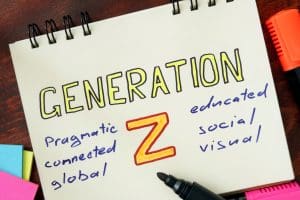
 Generation Z is redefining what it means to learn. Born into a world of smartphones, streaming, and instant connection, these students crave engagement, relevance, and authenticity. Traditional lectures and static lessons no longer capture their attention. They expect experiences that feel as dynamic as the world they live in.
For educators and school leaders, the secret to reaching Gen Z isn’t more screens or shorter videos. It’s immersive experiences that connect learning to real life.
Gen Z Doesn’t Just Learn — They Experience
Unlike previous generations, Gen Z doesn’t separate online and offline life. They live in an interconnected ecosystem where information, social connection, and creativity blend seamlessly.
To engage them, education must mirror this fluidity. Learning must be interactive, social, and meaningful.
That’s where immersive technologies like virtual reality (VR) come in. Instead of reading about the Roman Colosseum, students can stand inside it. Rather than memorizing formulas, they can apply them to virtual engineering challenges or scientific simulations.
By giving learners agency, the ability to explore, manipulate, and collaborate, schools transform abstract ideas into tangible, memorable experiences.
Why Experiences Work
-
Immersion Deepens Understanding
VR and immersive learning environments don’t just show content; they let students live it. A biology lesson in a 3D rainforest triggers curiosity and connection far more effectively than a two-dimensional diagram. When students experience learning firsthand, retention and comprehension soar.
-
Shared Experiences Build Social Connection
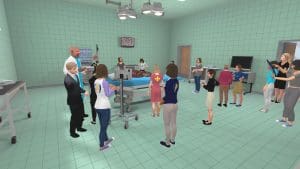
Contrary to the myth that VR is isolating, immersive environments can be deeply collaborative. In Optima’s virtual classrooms, up to 40 students at a time in a session can discuss discoveries, explore environments together, and tackle group challenges in real time, reinforcing teamwork and communication skills that Gen Z values.
-
Real-World Application Fuels Motivation
 Gen Z students want to understand why they’re learning something. Immersive education bridges the gap between theory and practice, showing how lessons connect to the real world whether it’s exploring the physics behind roller coasters or debating ethics inside a virtual courtroom.
The Optima Approach: Learning That Lives Beyond the Screen
At Optima, we believe every classroom public, private, or independent should have access to world-class immersive learning tools that make education come alive.
Our Digital Content Library includes over 300 virtual locations, 5,000 3D assets, and more than 30 animated lessons — designed by educators, powered by cutting-edge VR technology.
These experiences don’t replace teachers; they empower them. By integrating immersive lessons into traditional curriculum, teachers save prep time, differentiate instruction, and help students build curiosity-driven knowledge that lasts.
Experience Is the Future of Education
For today’s learners, engagement isn’t optional. It’s the foundation of academic success. Schools that embrace immersive, experience-driven learning aren’t just keeping up with Gen Z; they’re shaping the future of education itself.
With Optima, educators don’t have to imagine what’s possible, they can experience it.





Leave A Comment