
For many schools and families, the conversation about technology in education swings between two extremes. On one side, there is concern about excessive screen time, distraction, and overstimulation. On the other, there is excitement about innovation and new tools that can enhance learning. It is easy to see why some lean toward a “tech-free” mindset. Parents want their children focused, grounded, and protected from digital overload.
But removing technology altogether does not prepare students for the world they live in. The question is not “Should students use technology?” It is “How can we use technology with purpose so students learn deeply and stay engaged?”
At Optima, we believe the answer is thoughtful immersion. This approach blends human connection, classical learning, and immersive tools that open doors to experiences students cannot access in a traditional classroom.
Below is a closer look at why a tech-free model falls short, and why purposeful immersive learning offers a better path forward.
Tech-Free Learning Misses Real Opportunities
A fully tech-free approach limits students in three key ways.
1. It restricts access to real-world experiences
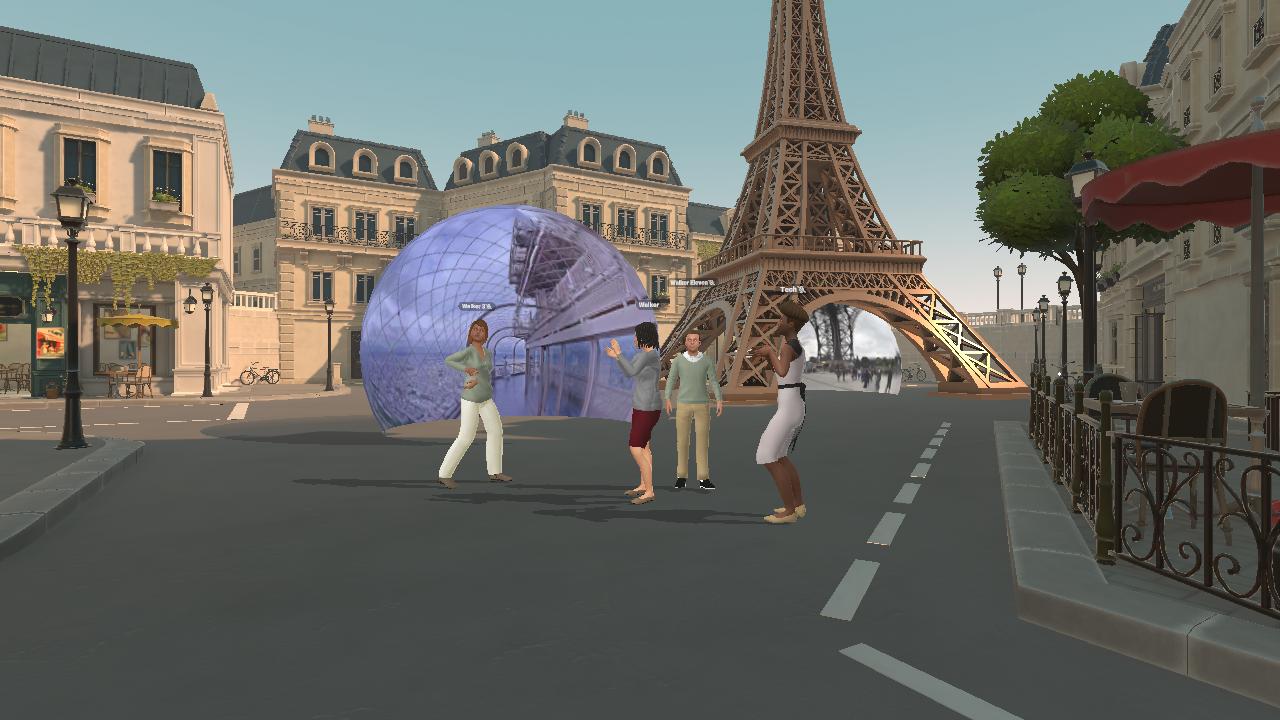
Students cannot stand inside the Roman Colosseum, explore the coral reefs of the Caribbean, or observe the surface of Mars without the support of technology. Immersive tools bring the world to the learner and give context that textbooks cannot.
2. It does not reflect the world students are growing into
Today’s students will build careers in fields shaped by technology. Removing all tech from their education leaves them less prepared to navigate modern tools, innovate, or compete in a global economy.
3. It can reduce engagement
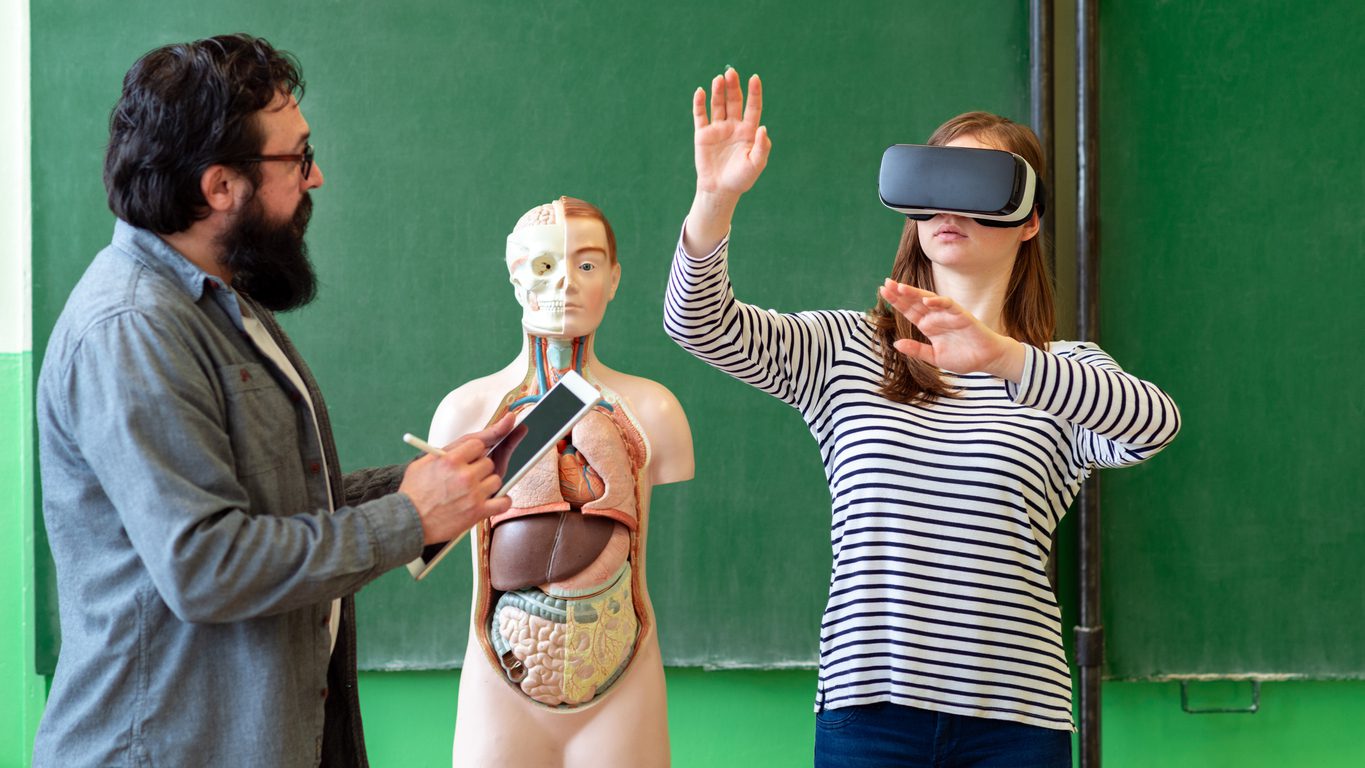
Students thrive when learning feels dynamic and meaningful. Tools like virtual reality allow them to step inside a story, experiment, investigate, and interact. This active engagement grows curiosity and supports memory retention.
Thoughtful Immersion Creates Stronger Learners
The goal is not more technology. It is purposeful technology that strengthens learning.
1. Immersion deepens understanding
When students explore a historical event or scientific concept in a fully immersive environment, they connect emotionally and mentally with the content. This helps them remember and apply what they learn.
2. It supports diverse learning needs
Some students need visual reinforcement. Others benefit from movement or hands-on exploration. Immersive experiences allow multiple pathways for understanding, which supports a wider range of learners.
3. Technology is guided by teachers, not the other way around
In a thoughtful immersion model, educators design the learning journey. Tools like VR simply enhance what teachers are already doing and help bring lessons to life.
Balance Matters: Human First, Technology Second
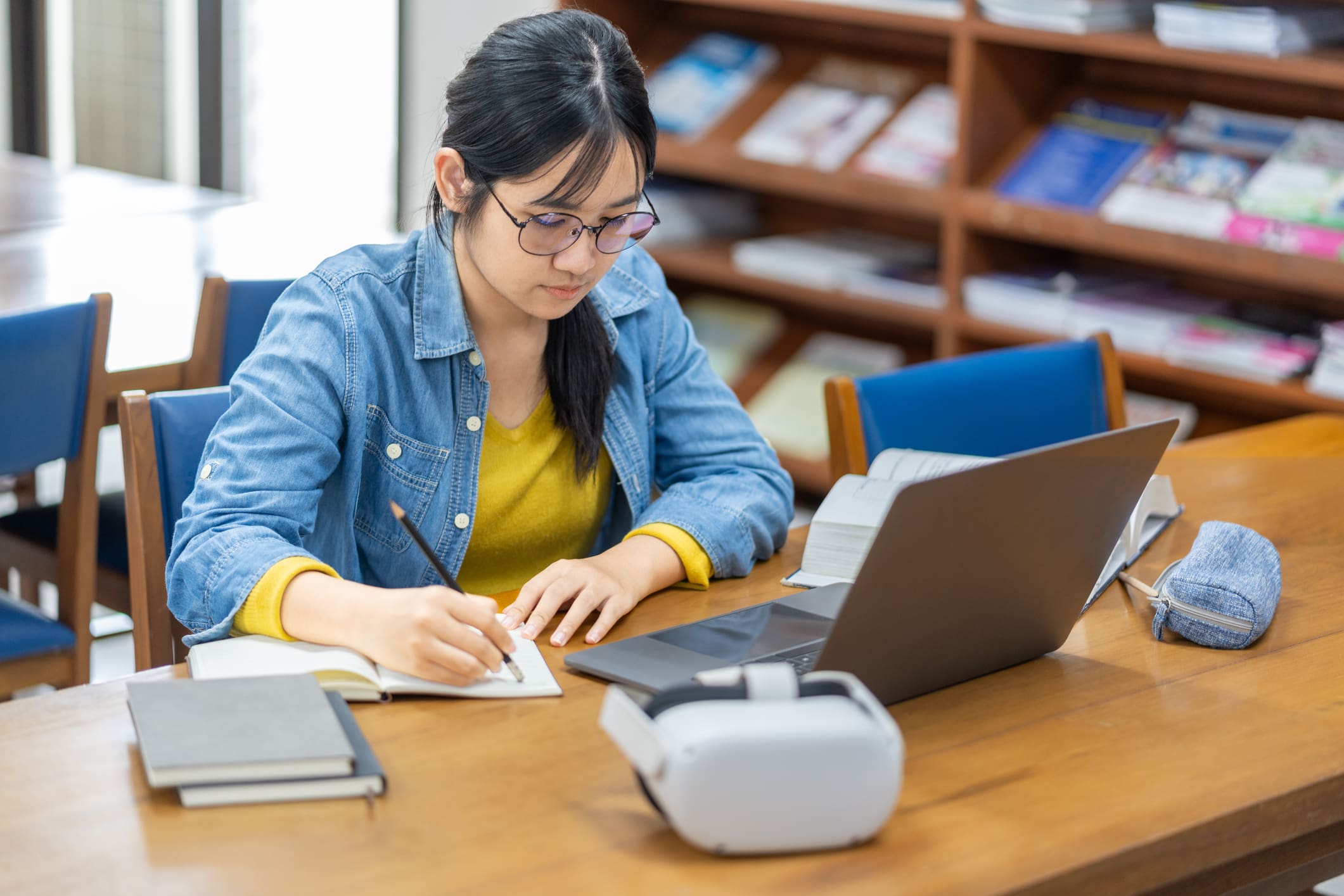
Thoughtful immersion works because it respects the balance families care about. It protects students from digital noise and distraction by using technology only when it strengthens learning. It also keeps students grounded in core academic skills such as reading, writing, discussion, and problem solving.
Optima’s model blends classical curriculum, high quality instruction, and immersive tools in ways that are intentional, structured, and proven to support mastery. Students still read great books, participate in meaningful discussion, and develop strong habits. The difference is that they can also visit ancient civilizations, observe scientific ecosystems, and explore abstract concepts in three dimensions.
This is not more screen time. It is better learning time.

Bridgette Hudak