
For decades, K–12 education followed a familiar rhythm. Students learned in the same place, at the same pace, on the same schedule. That model worked for some families, but for many, it left little room for individuality, real life demands, or deeper engagement.
Today, that expectation is shifting.
Flexibility is no longer a fringe benefit in education. It is becoming the standard. Families are seeking learning environments that adapt to students, not the other way around. Schools are rethinking schedules, instructional formats, and the role of technology to better serve how students actually learn.
At Optima, flexibility is not a trend we are chasing. It is a foundation we intentionally designed from the start.
What Flexibility Really Means in Education
Flexibility in K–12 education does not mean less structure or lower expectations. In fact, the most effective flexible models are highly intentional.
True flexibility allows for variation in:
-
Time, when learning happens
-
Place, where learning happens
-
Pace, how quickly or deliberately students move through material
-
Path, how instruction is delivered and reinforced
This approach recognizes that students are not interchangeable. A learner who thrives in focused morning sessions may struggle with a traditional eight-hour school day. A student with unique abilities may need more control over sensory input. A family with travel, military service, athletics, or professional commitments may need school to fit around life, not compete with it.
Flexibility creates space for all of that without sacrificing academic rigor.
Why Families Are Demanding More Flexible Options
Several forces are accelerating the shift toward flexibility in K–12 education.
Families want learning that fits real life.
Modern families juggle work schedules, caregiving, travel, therapies, and enrichment opportunities. Rigid school models often force families to choose between education and everything else. Flexible education allows learning to integrate naturally into daily life.
Students learn best when they are engaged, not rushed.
When students control their learning pace, they retain more and stress less. Flexibility allows time for mastery, curiosity, and deeper thinking instead of constant pressure to keep up.
Technology has matured enough to support meaningful learning.
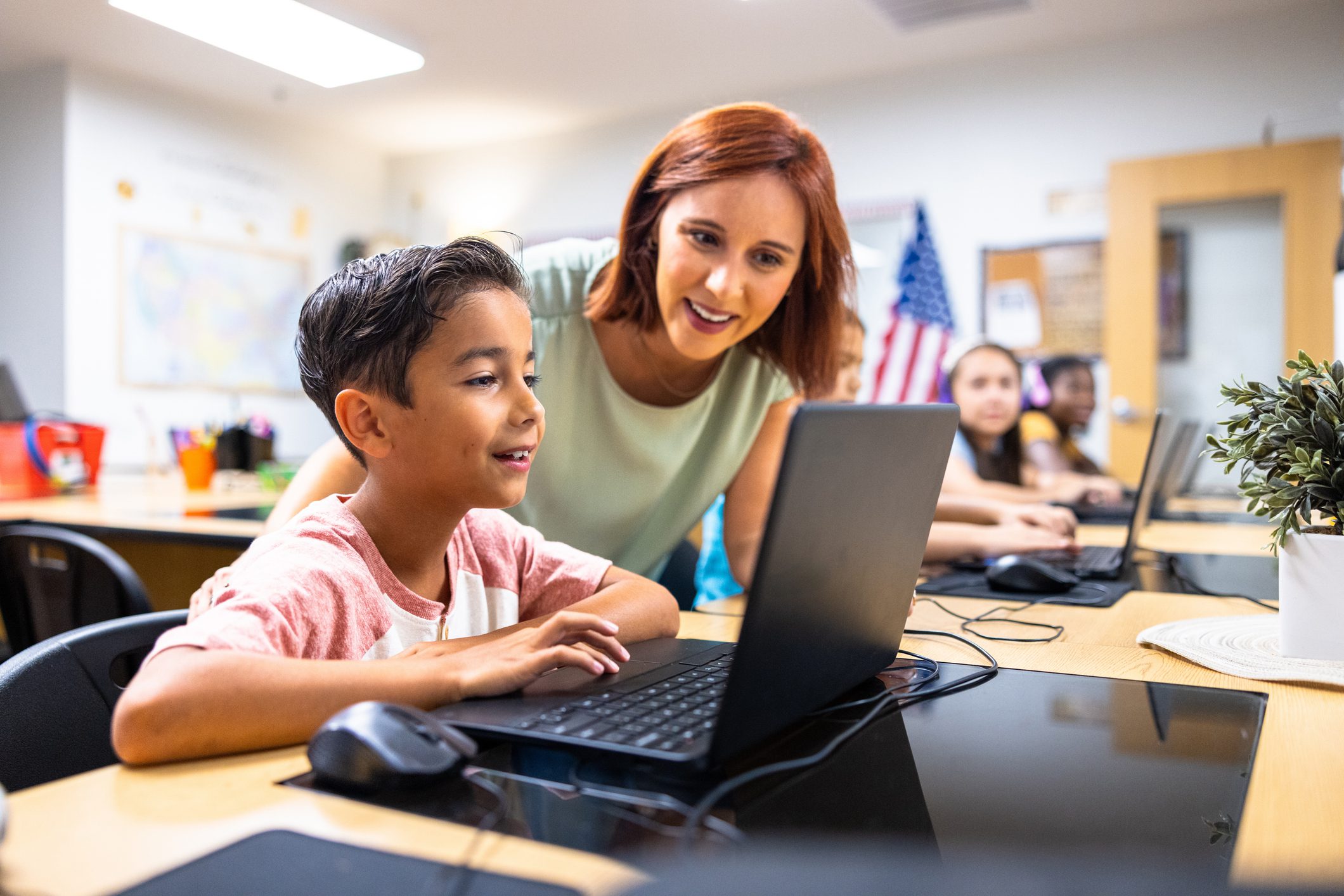
Online platforms, live virtual instruction, and immersive tools like virtual reality now make it possible to deliver high-quality education beyond a traditional classroom. When used thoughtfully, technology expands access without replacing the human connection that matters most.
Choice is expanding through education funding programs.
Across the country, education choice programs are giving families more control over where and how their children learn. As access increases, expectations rise. Families are choosing schools that offer both excellence and adaptability.
Flexibility Does Not Mean Less Accountability
One common misconception is that flexible education lacks discipline or standards. In reality, the opposite is often true.
Flexible models require:
-
Clear expectations
-
Strong instructional design
-
Consistent communication
-
Intentional use of data and feedback
At Optima Academy Online, flexibility is paired with structure. Students attend live instruction with certified teachers, follow a classically aligned curriculum, and engage in meaningful assessments. The difference is that learning is designed to work within a student’s life, not against it.
Flexibility is not about doing less. It is about doing what matters most, more effectively.
How Optima Approaches Flexible Learning
Optima Academy Online was built for families who want both freedom and academic depth.
Our model includes:
-
Live, teacher-led instruction in focused learning blocks
-
A four-day school week that prioritizes attention and balance
-
On-demand access to coursework for reinforcement and review
-
Immersive virtual reality experiences that deepen understanding
-
Supportive tools designed for diverse learning needs
This structure allows students to stay engaged, families to maintain balance, and teachers to focus on instruction instead of logistics.
Flexibility also empowers students to take ownership of their learning. When students have agency over their time and environment, they develop independence, responsibility, and confidence. These skills extend far beyond academics.
The Future of K–12 Education Is Adaptive
Education is no longer defined by a building or a bell schedule. It is defined by outcomes, engagement, and relevance.
As more families experience the benefits of flexible learning, expectations will continue to shift. Schools that adapt will thrive. Schools that remain rigid will struggle to meet the needs of modern learners.
Flexibility is not about abandoning tradition. It is about evolving it thoughtfully.
At Optima, we believe education should fit around life, not interrupt it. That belief is shaping the future of K–12 learning, and families are already leading the way.






Leave A Comment