

In education, equity means more than providing access to textbooks and technology—it means ensuring every student, regardless of their zip code, has the opportunity to experience a world-class education. For leaders of Title I schools, this challenge is especially pressing. Limited budgets, fewer resources, and systemic barriers often leave students without access to the kinds of learning opportunities that can ignite curiosity and expand their horizons.
This is where immersive technology, particularly Virtual Reality (VR), becomes a powerful equalizer.
Breaking Down Barriers to Global Learning
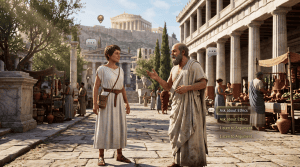 Traditionally, global experiences—like visiting historical sites, exploring world cultures, or stepping inside a science lab—have been reserved for students in well-funded districts or families with the means to travel. Title I schools rarely have the budget for extensive field trips, let alone international opportunities.
With VR, a classroom in a rural or underserved community can instantly connect students to the Colosseum in Rome, the Great Barrier Reef, or the International Space Station. These are not passive videos—they are interactive, immersive experiences where students can move, observe, and engage as if they were truly there.
By integrating VR, Title I schools can level the playing field, giving students the same access to global learning as their peers in wealthier districts.
Supporting Title I Priorities with VR
Title I programs emphasize closing achievement gaps, boosting student engagement, and preparing students for college and careers. VR supports these goals in tangible ways:
-
Engagement & Motivation: VR experiences transform abstract lessons into real-world encounters. When a student explores the inside of a human cell in 3D, they aren’t just memorizing—they’re experiencing science.
-
Equity in Exposure: Many Title I students have fewer enrichment opportunities outside of school. VR provides exposure to careers, cultures, and ideas they may not encounter otherwise.
-
Literacy & Comprehension: Research shows that immersive experiences help students retain more information. For English Language Learners (ELL) and students reading below grade level, VR provides critical context that deepens understanding.
-
College & Career Readiness: From virtual college campus tours to career simulations, VR allows students to imagine and plan for futures they may not have thought possible.
Case for Leadership: Why School Leaders Should Champion VR
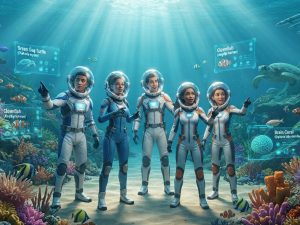 For principals and district leaders, investing in VR is about more than adopting the latest tech—it’s about creating equity where inequities have long persisted. By introducing VR:
-
You give teachers tools to inspire and differentiate instruction without increasing their workload.
-
You provide students with experiences that build cultural competence, empathy, and global awareness—21st century skills essential in today’s world.
-
You ensure your Title I school becomes a hub of innovation, not left behind as technology reshapes education.
Implementation That Works for Title I Schools
Leaders often ask: How can we afford this? Optima’s VR content library was designed with accessibility in mind. Schools don’t need expensive custom programming or one-off experiences. Instead, they can tap into a growing library of 200+ immersive lessons aligned to standards, covering history, science, literature, and more.
By integrating VR into existing curricula, schools can maximize the impact of funds already allocated for instructional technology and Title I enrichment.
Equity Through Innovation
Equity in education is not about lowering expectations—it’s about raising opportunities. For Title I schools, VR is not just a tool for innovation; it’s a tool for justice. It ensures that a child in a small rural town can stand shoulder-to-shoulder with peers across the globe, experiencing the same wonders and opportunities.
By embracing VR, school leaders can rewrite what equity in education looks like—transforming classrooms into gateways to the world.






Leave A Comment