STEM education has always asked students to do something unusual: understand the invisible. Forces, molecules, code, and systems rarely sit still long enough to be observed directly. For decades, educators have relied on textbooks, diagrams, and occasional lab experiments to bridge that gap.
Now, immersive learning is changing the equation. By placing students inside the concepts they’re studying, it turns abstraction into experience and curiosity into momentum.
What Is Immersive Learning?
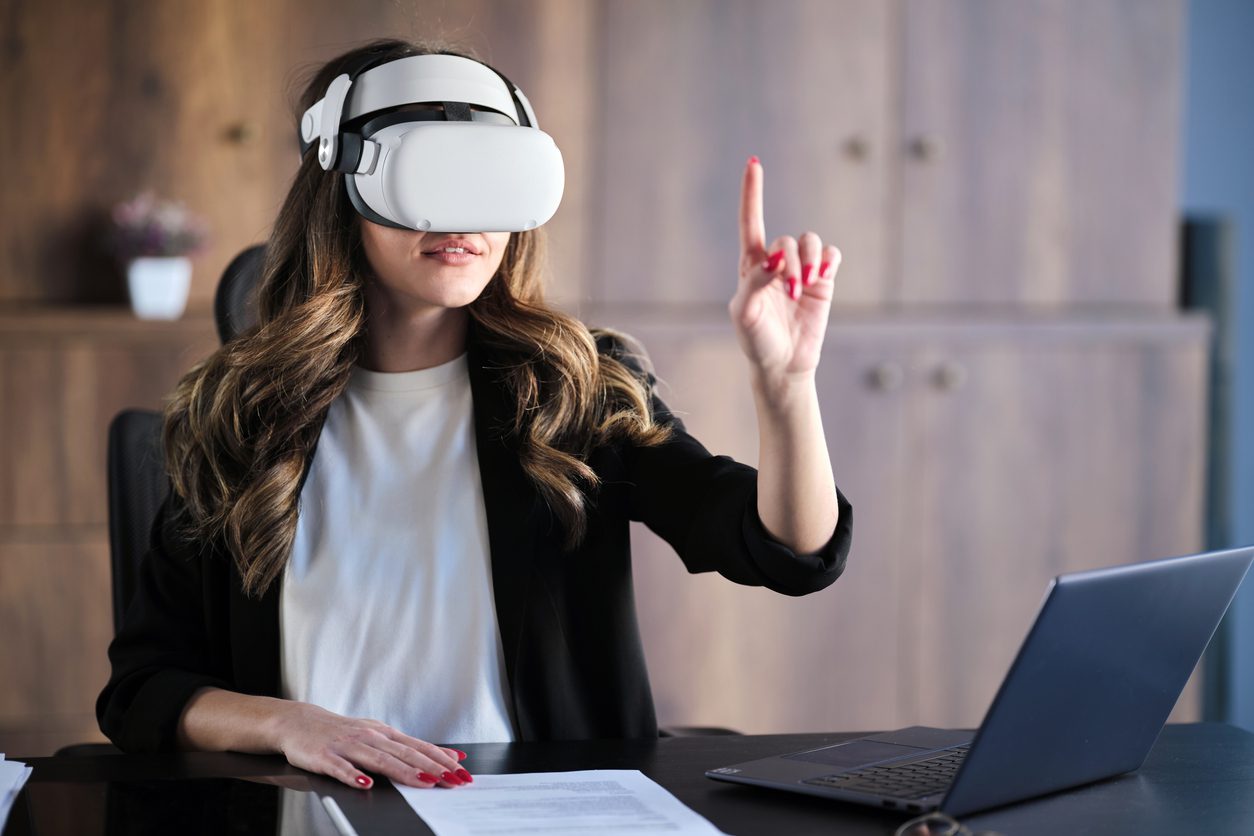
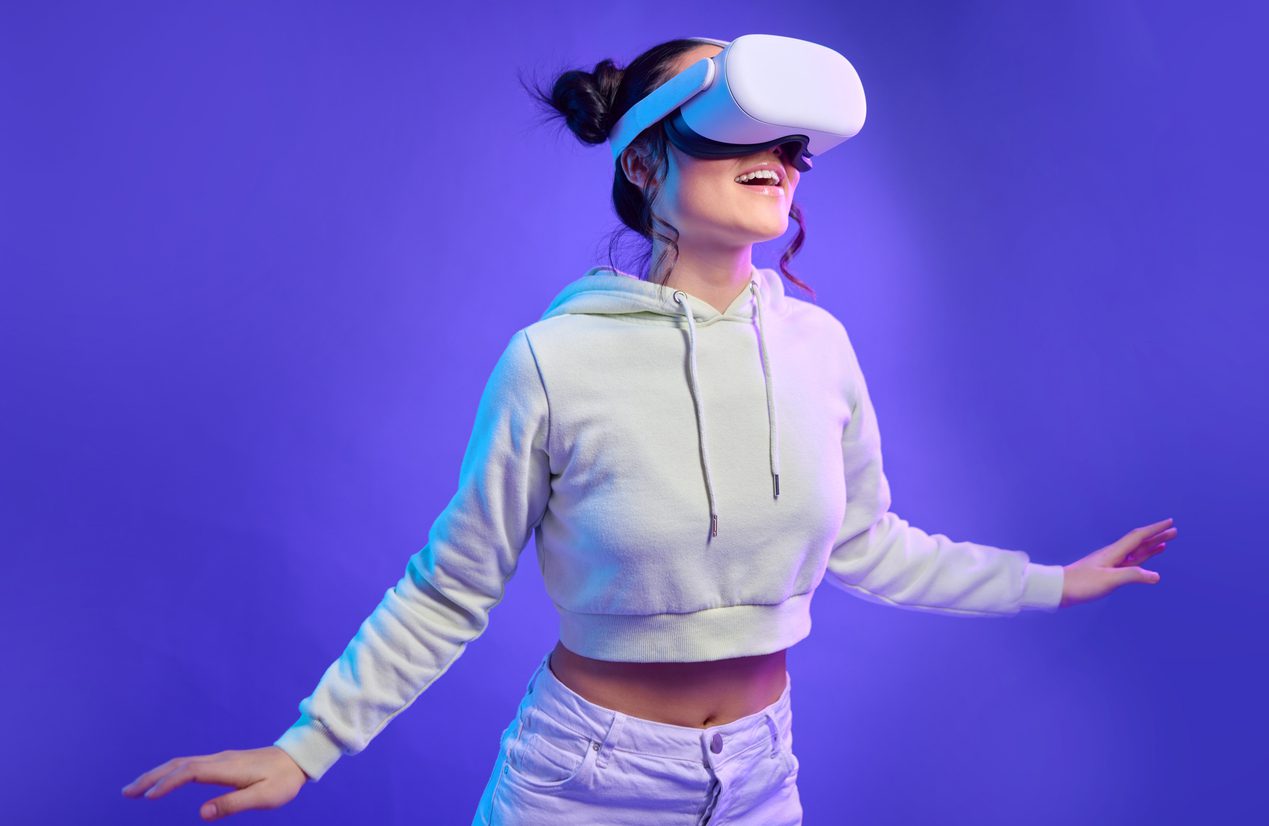
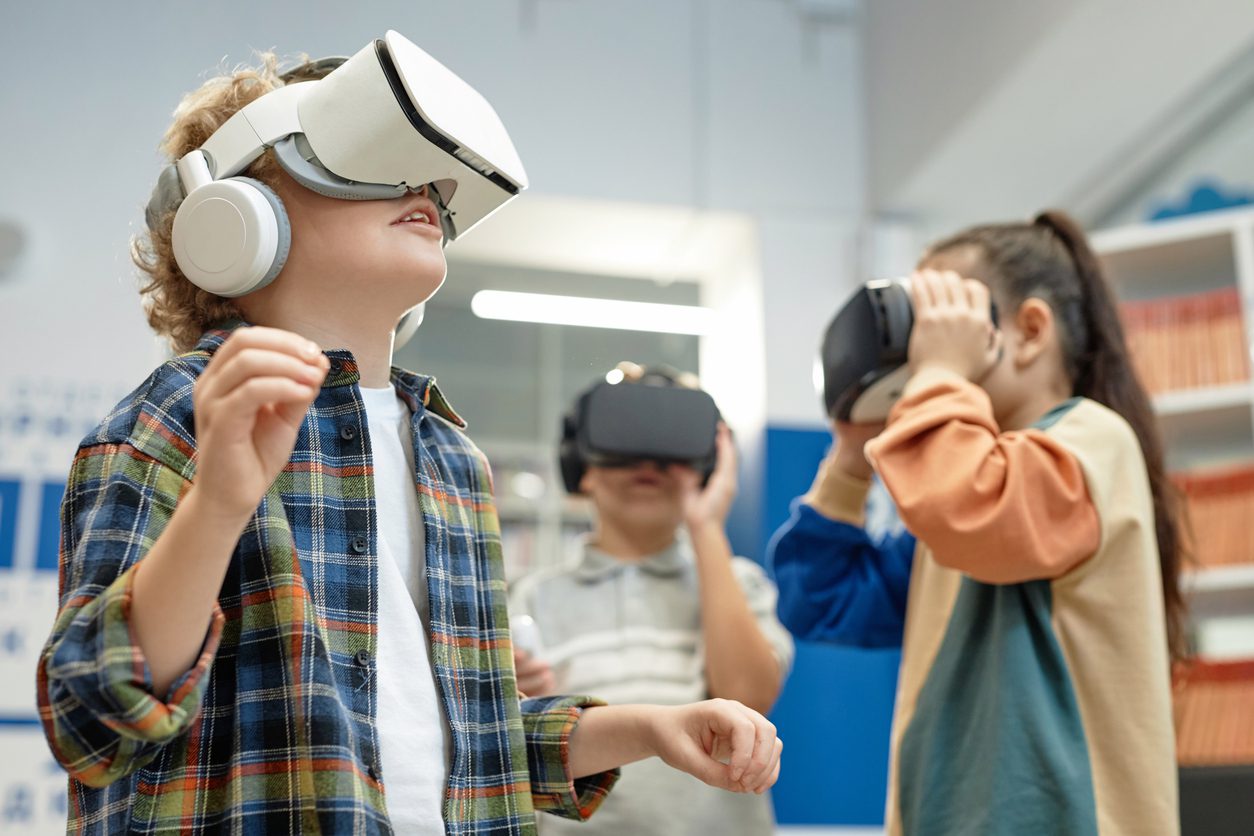
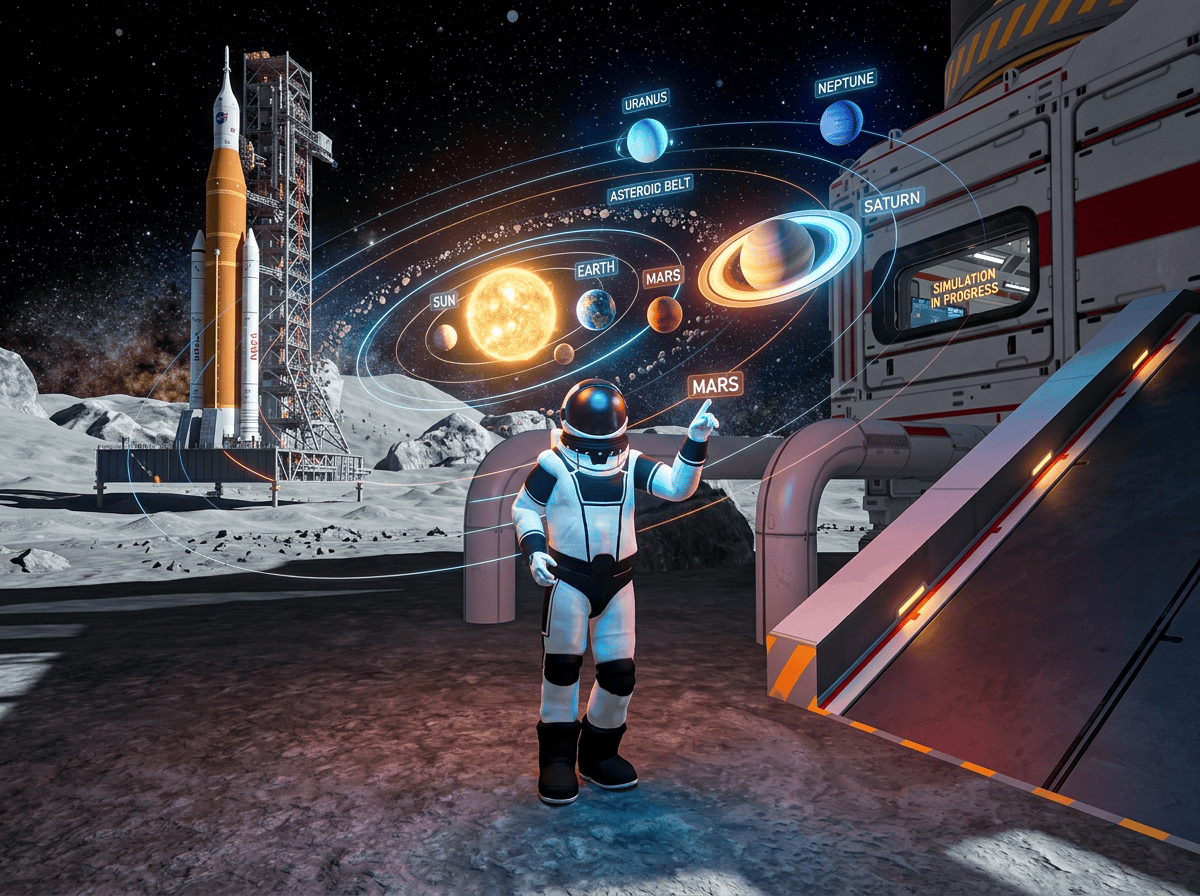
Immersive learning uses technologies like Virtual Reality (VR), Augmented Reality (AR), and Mixed Reality (MR) to create interactive, three-dimensional environments where students can explore, experiment, and engage with content in real time.
Instead of reading about a concept, students can step into it.
Why STEM Needs a New Approach
STEM subjects are foundational, but they are also where many students struggle most. The challenge is not a lack of intelligence or effort. It is often a lack of connection.
Consider how traditional methods present STEM:
- Static diagrams for dynamic systems
- Memorization instead of exploration
- Limited access to labs, tools, or real-world scenarios
For many students, especially those who learn best through experience, this creates a disconnect. The content feels distant, theoretical, and sometimes overwhelming.
Immersive learning closes that gap.
1. Making Abstract Concepts Tangible
In subjects like physics, chemistry, and biology, the most important ideas are often the hardest to visualize.
Immersive learning allows students to:
- Walk through a human cell and observe how organelles interact
- Manipulate molecular structures in three dimensions
- Observe forces like gravity or magnetism in action
What was once theoretical becomes spatial and intuitive. Students are not just learning about systems. They are navigating them.
2. Increasing Engagement and Retention
Engagement in STEM is not just about attention. It is about sustained curiosity.
Immersive environments naturally invite exploration:
- Students make decisions and see outcomes immediately
- Learning feels active rather than passive
- Complex topics become interactive challenges rather than static lessons
Research across education consistently shows that active learning improves retention. When students participate directly, they remember more and understand more deeply.
3. Expanding Access to Real-World Experiences
Not every school has access to advanced lab equipment, engineering tools, or field experiences. Immersive learning levels that playing field.
Students can:
- Conduct virtual chemistry experiments safely
- Explore ecosystems from around the world
- Simulate engineering challenges and test solutions
This democratization of experience is particularly important for schools with limited resources. It ensures that opportunity is not defined by geography or budget.
4. Supporting Diverse Learning Needs
Every student processes information differently. Immersive learning provides flexibility that traditional methods often lack.
For example:
- Visual learners benefit from spatial representations
- Kinesthetic learners engage through interaction
- Students with attention challenges stay focused through active participation
When paired with thoughtful design, immersive environments can also include tools like adjustable pacing, sensory controls, and interactive supports that help students stay engaged without feeling overwhelmed.
5. Bridging Theory and Application
One of the biggest gaps in STEM education is the distance between learning and doing.
Immersive learning reduces that distance by allowing students to:
- Apply mathematical concepts in simulated real-world scenarios
- Test hypotheses and immediately see results
- Build problem-solving skills through trial and iteration
Instead of asking, “When will I use this?” students begin to see how concepts function in context.
6. Preparing Students for Future Careers
The modern workforce increasingly relies on technology, simulation, and digital collaboration. Fields like engineering, medicine, and data science already use immersive tools for training and problem-solving.
By integrating immersive learning into STEM education, students gain:
- Familiarity with emerging technologies
- Confidence in navigating complex systems
- Experience with applied problem-solving
These are not just academic advantages. They are career-ready skills.
The Role of Educators in an Immersive Environment
Technology does not replace teachers. It amplifies them.
In immersive STEM classrooms, educators:
- Guide exploration and ask deeper questions
- Provide context and connect experiences to core concepts
- Support critical thinking and reflection
The teacher remains the architect of learning. Immersive tools simply expand what is possible within that design.
A New Standard for STEM Education
Immersive learning is not a trend. It is a response to a long-standing challenge in education: how to make complex ideas accessible, engaging, and meaningful.
By transforming abstract concepts into lived experiences, immersive learning:
- Improves understanding
- Increases engagement
- Expands access
- Prepares students for the future
For STEM education, where understanding often depends on seeing what cannot be seen, this shift is not just beneficial. It is essential.

Bridgette Hudak