What Is the Difference Between VR, AR, XR, and MR?
If you’ve spent any time exploring immersive technology, you’ve likely come across a swirl of acronyms: VR, AR, MR, and XR. They’re often used interchangeably, but each represents a distinct way of blending digital and physical worlds.
Understanding the difference isn’t just helpful, it’s essential. These technologies are shaping how students learn, how teachers teach, and how schools think about engagement in the modern classroom.
Let’s break it down clearly.
Virtual Reality (VR): Fully Immersive Experiences
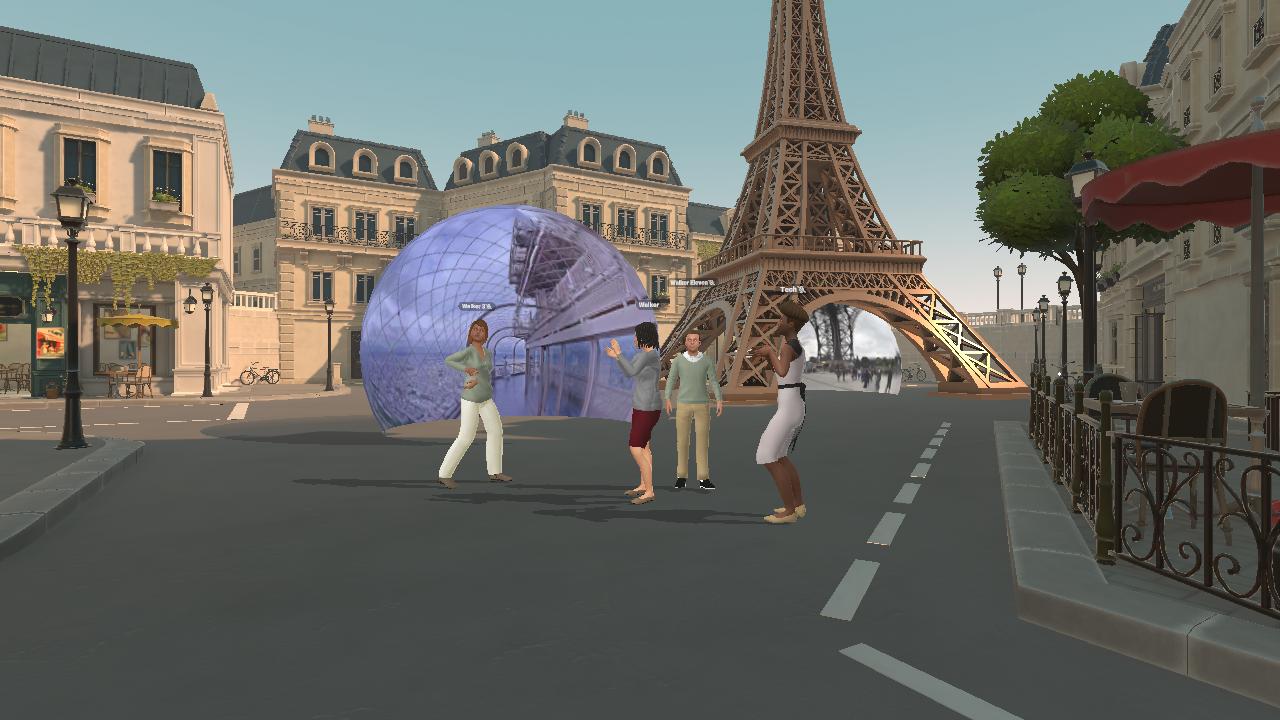
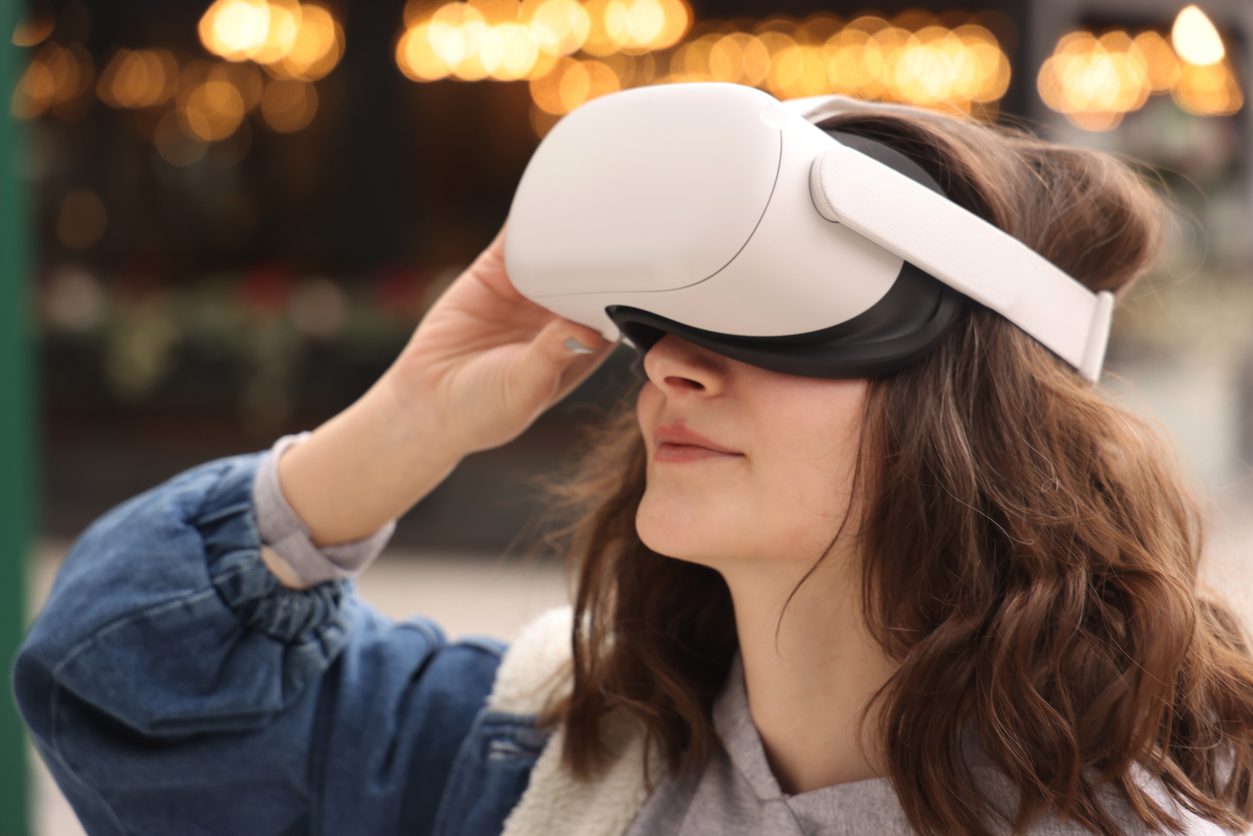
Virtual Reality (VR) places users inside a completely digital environment. When a student puts on a VR headset, they are no longer seeing the physical classroom. Instead, they are transported somewhere else entirely.
That could mean:
- Walking through ancient Rome
- Exploring the inside of a human cell
- Observing planetary motion from space
In VR, the real world disappears and is replaced by a fully immersive, interactive experience.
In education: VR allows students to experience concepts rather than just read about them, making learning more memorable and engaging.
Augmented Reality (AR): Digital Layers on the Real World
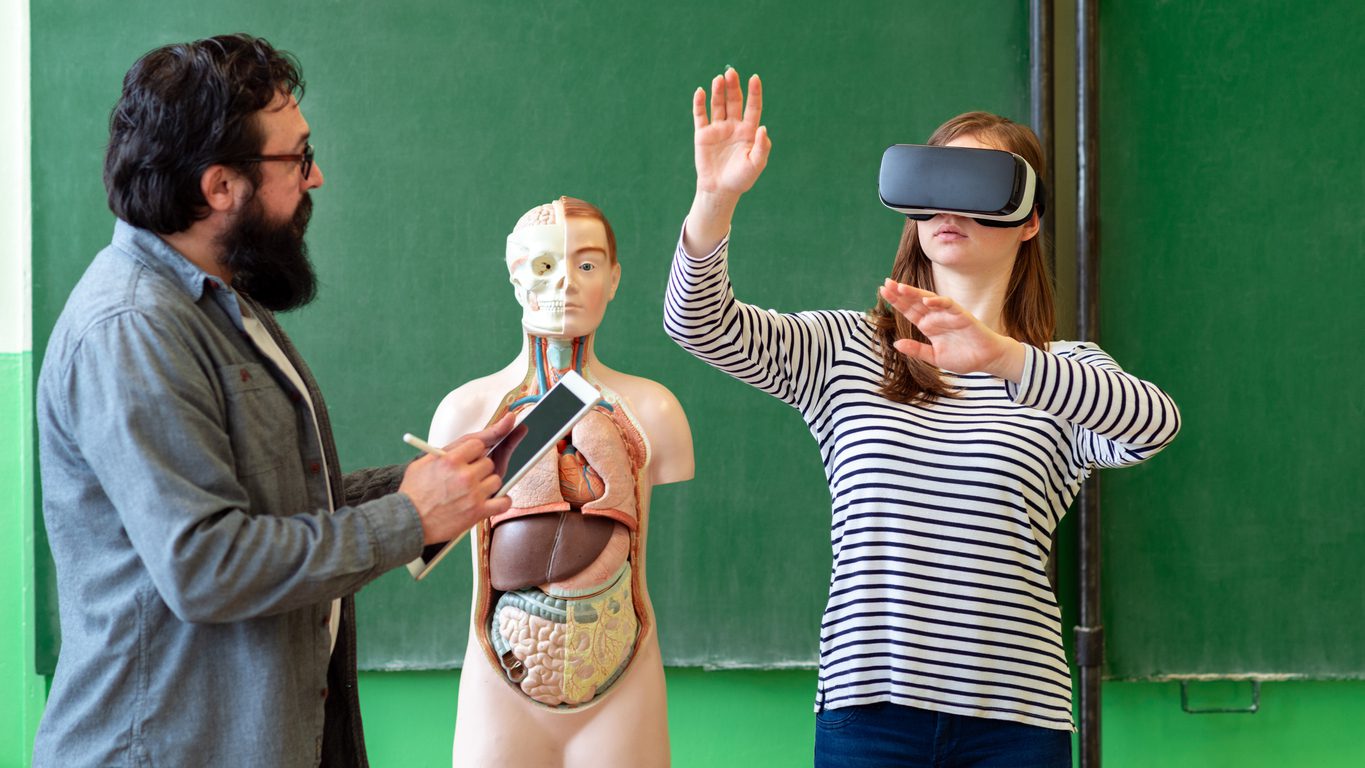
Augmented Reality (AR) enhances the real world by overlaying digital elements onto it. Unlike VR, students remain in their physical environment, but see added visuals through a device like a tablet or smartphone.
Think of:
- A 3D model of the solar system appearing on a desk
- Historical figures “standing” in the classroom
- Interactive diagrams layered onto textbooks
In education: AR is ideal for adding context and visualization without removing students from their surroundings.
Mixed Reality (MR): Interaction Between Real and Virtual Worlds
Mixed Reality (MR) goes a step beyond AR. It not only overlays digital objects into the real world, but allows those objects to interact with the physical environment and the user in real time.
For example:
- A student can walk around a 3D molecule and manipulate it with their hands
- Virtual objects can “sit” on real desks and respond to movement
- Digital simulations adjust based on real-world input
In education: MR enables deeper interaction, blending hands-on learning with digital flexibility.
Extended Reality (XR): The Umbrella Term
XR (Extended Reality) is the broad category that includes VR, AR, and MR. It’s less about a specific technology and more about a spectrum of immersive experiences.
Think of XR as the umbrella:
- VR = fully immersive
- AR = real world with digital overlays
- MR = interactive blend of both
In education: XR represents the full toolkit of immersive learning technologies that educators can use to create dynamic, engaging experiences.
Key Differences at a Glance
| Technology | Environment | Level of Immersion | Interaction |
|---|---|---|---|
| VR | Fully digital | High | Fully interactive in virtual world |
| AR | Real world + overlays | Low to moderate | Limited interaction |
| MR | Blended real + digital | Moderate to high | High interaction with both |
| XR | Umbrella term | Varies | Varies |
Why This Matters for Education
At Optima, these distinctions aren’t just technical definitions, they shape how learning is delivered.
Immersive technologies:
- Increase student engagement
- Improve concept retention
- Support different learning styles
- Enable experiences that would otherwise be impossible
Rather than replacing teachers, these tools enhance their ability to bring lessons to life.
A history lesson becomes a lived experience. A science concept becomes something students can manipulate. A classroom becomes a place where abstract ideas take form.
The Future Is Not One Technology, It’s the Right Combination
The real power isn’t in choosing VR over AR or MR. It’s in knowing when to use each.
- Use VR when full immersion drives understanding
- Use AR when context enhances learning
- Use MR when interaction deepens comprehension
Together, under the XR umbrella, these technologies create a more flexible, engaging, and effective learning environment.
Final Thoughts
The difference between VR, AR, MR, and XR comes down to one core idea: how digital and physical worlds interact.
From fully immersive virtual environments to subtle digital overlays, each technology offers a unique way to help students connect with what they’re learning.
And as education continues to evolve, these tools are not just enhancements, they’re becoming foundational to how the next generation experiences knowledge.

Bridgette Hudak