
For years, education innovation has been defined by tools.
New devices. New platforms. New software promising to transform learning.
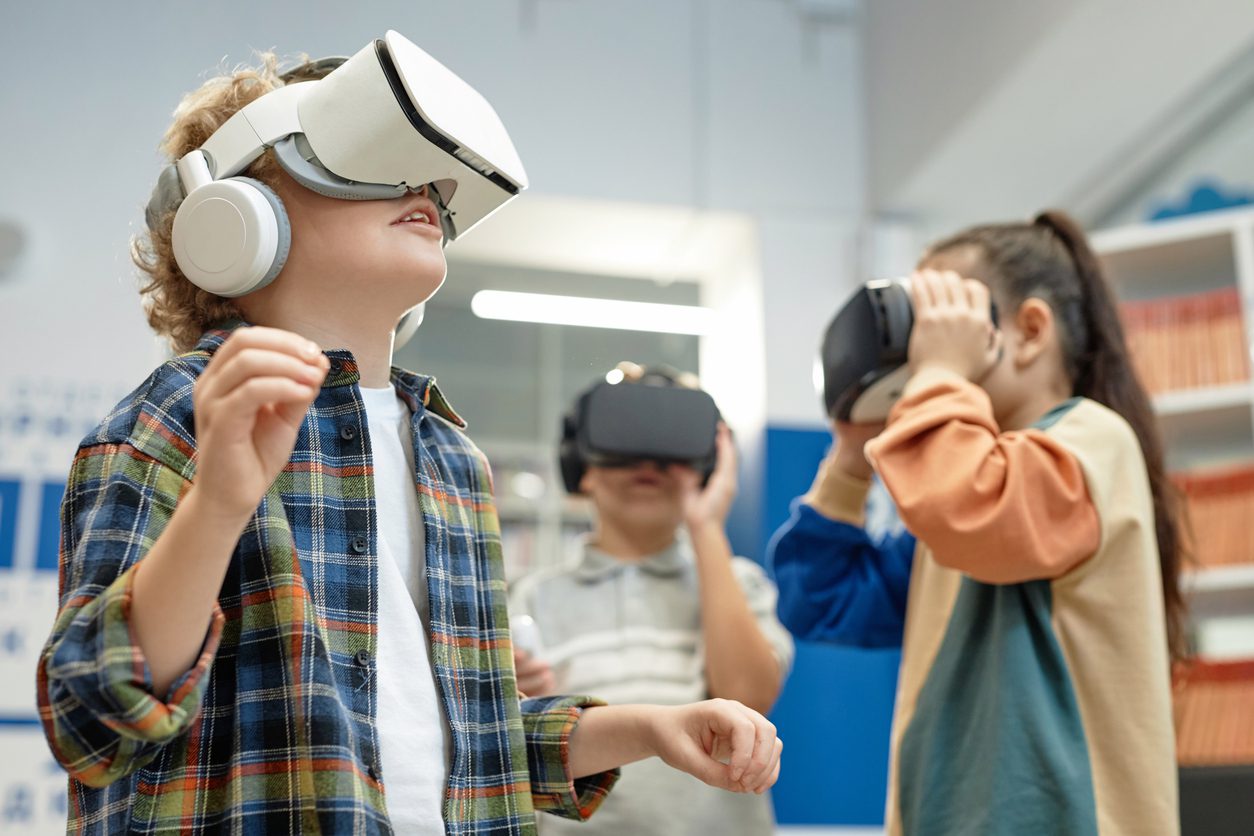
Despite rapid advancement, many classrooms still face a familiar challenge: students who are physically present but mentally elsewhere.
Truth worth naming: innovation does not begin with technology. It begins with engagement.
Engagement is not a side effect of innovation. Engagement is the innovation.
The Engagement Gap We Don’t Talk About Enough
When students disengage, consequences ripple outward.
Concepts fail to stick. Curiosity fades. Motivation declines. Learning shifts from transformational to transactional.
This outcome is not a failure of students. It signals that learning experiences are not meeting them where they are.
Modern learners inhabit interactive, participatory environments outside of school. When education feels passive, disconnected, or abstract, attention naturally drifts. Engagement serves as the bridge between content and comprehension.
Technology Isn’t the Breakthrough. Design Is.
Assuming that new technology automatically modernizes learning is a common misstep.
Tools alone do not create engagement. Intentional design does.
Meaningful innovation emerges when educators ask:
-
Does this experience invite participation?
-
Does it encourage exploration rather than compliance?
-
Does it allow students to see themselves within the learning?
When learning is interactive, contextual, and purposeful, technology shifts into a supporting role. Design becomes the differentiator.
Engagement Is Cognitive, Not Cosmetic
Engagement is not about spectacle or entertainment.
Engagement is about cognitive presence.
Students who are engaged actively process information, connect ideas, retain learning longer, and apply understanding in new contexts.
Neuroscience consistently reinforces this truth. Emotional and cognitive investment strengthens memory, reasoning, and curiosity. Without engagement, even advanced tools struggle to produce meaningful outcomes.
From Passive Consumption to Active Participation
Traditional models often position students as receivers of information.
Engagement reframes the learner’s role entirely.
Students become explorers instead of note-takers. Collaborators instead of observers. Participants instead of passengers.
When learners interact with content, ask questions, test ideas, and experience concepts firsthand, education becomes something they do, not something done to them.
Why Engagement Scales Better Than Any Tool
One of engagement’s most powerful qualities is scalability.
Engagement transcends subject areas. Engagement adapts across age groups. Engagement supports diverse learning needs. Engagement strengthens both in-person and virtual environments.
When engagement becomes the priority, innovation becomes sustainable. Schools stop chasing trends and start building ecosystems that evolve alongside learners.
The Future of Education Is Human-Centered
A human-centered future does not diminish teachers. It elevates them.
At a moment when automation and artificial intelligence continue to expand, one reality stands firm: teachers are needed now more than ever. Not as content deliverers, but as designers of learning, guides of inquiry, and catalysts for curiosity.
Effective innovation does not attempt to replace educators. It equips them with tools that match and amplify their creativity.
Thoughtfully integrated technology can reduce time spent on repetitive tasks, streamline planning and grading, and create new ways to bring abstract ideas to life.
This shift matters deeply.
Time reclaimed from the mundane becomes time reinvested in what teachers do best: building relationships, inspiring curiosity, adapting instruction, and helping students make meaning.
Engagement flourishes when educators are empowered to focus on human connection rather than operational friction. Technology becomes a support system that clears space for the relational, creative, and instructional work no algorithm can replicate.
Education’s future is not automated. Education’s future is amplified.
When people remain at the center, innovation stops being about novelty and starts being about impact.
Engagement as the North Star
Real innovation begins with a different question.
Instead of asking what the newest technology is, effective systems ask how learning can invite students fully into the experience.
When students are engaged, learning sticks. When learning sticks, outcomes follow.
At Optima, engagement guides every design decision. Tools serve pedagogy. Technology serves teachers. Experiences serve learners.
That is what real innovation looks like.

Bridgette Hudak