
Walking in Someone Else’s Shoes
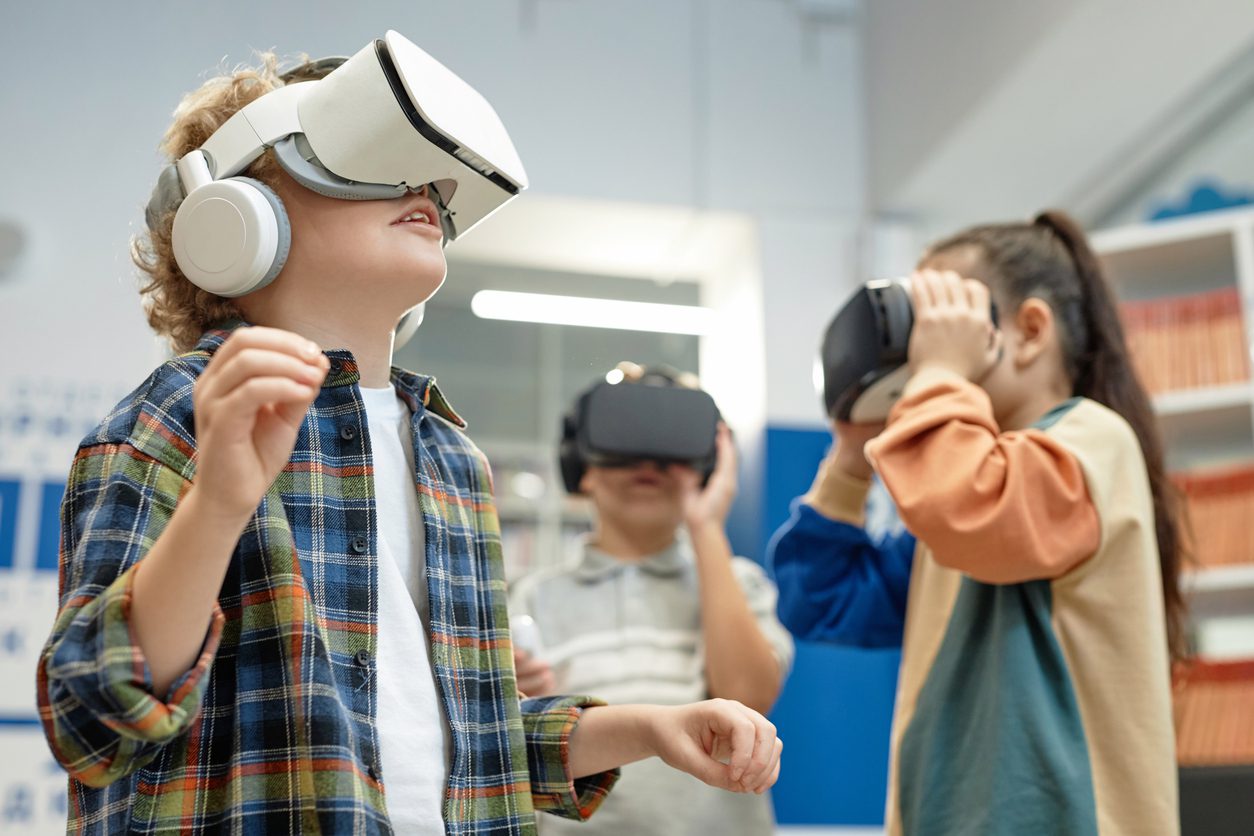
Virtual reality (VR) is more than a learning tool. It helps students feel what life is like for others. Instead of just reading or listening, students in VR can step into real-life situations. This creates empathy, compassion, and a stronger connection to the world.
Turning Lessons Into Experiences
Empathy is hard to teach through books alone. VR makes it real by immersing students in perspective-taking simulations. With Optima’s animated lessons available in the VR Content Library, students don’t just learn about history and culture, they step inside the stories themselves. These experiences allow them to see through another person’s eyes and understand the world from different perspectives.
-
An Immigrant’s Tale: Students step into the lives of families arriving at Ellis Island. They choose what to pack, travel by ship, and experience the uncertainty of medical exams and language barriers. This helps them feel the courage and hardship of starting over in a new land.
-
The West: Students relive the journey of settlers on the Oregon Trail, but they also hear the voices of Native Americans during westward expansion. This dual perspective builds understanding of how history shaped very different experiences for different groups.
-
A Brief History of WWI: In the trenches, students hear the stories of soldiers, touch the tools they used, and feel the harsh reality of war. They walk away with a deeper respect for the sacrifices of those who lived it.
-
Exploring Ancient Egypt: Students help a lost mummy find his missing organs. This lighthearted task opens up a deeper conversation about cultural rituals, beliefs about life after death, and the humanity we share across time.
-
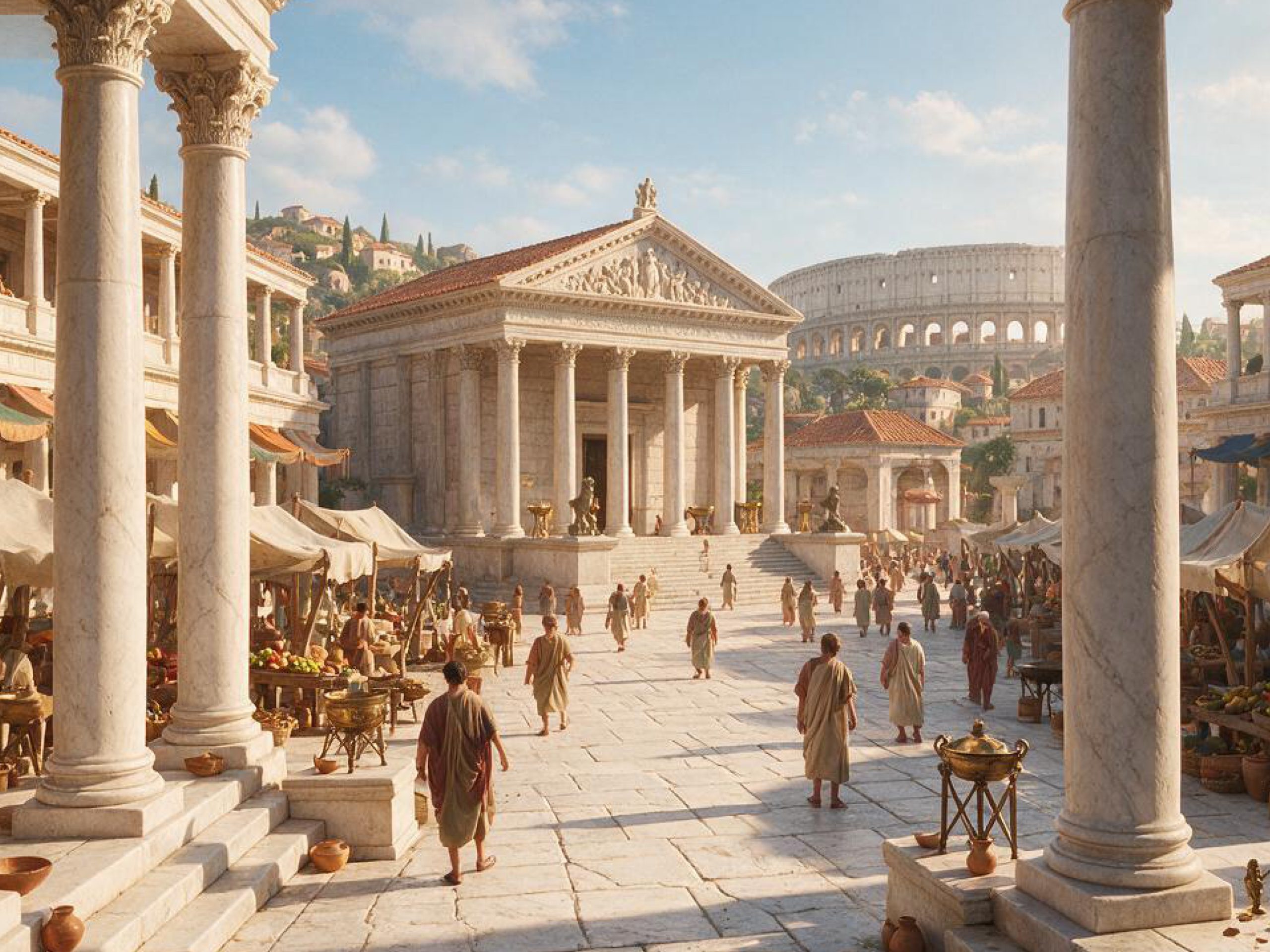
Cultural celebrations and mythology: From Greek democracy to Norse myths, students don’t just read about traditions—they live them. They listen to stories, sign documents like the Magna Carta, and see how cultural values shaped societies.
By shifting from theory to immersion, empathy becomes more than a concept. It becomes an experience students can carry with them.
Why Empathy Matters in Education
Empathy is more than kindness. It prepares students for a world where they will work, live, and lead with people from many backgrounds. Research shows empathy builds teamwork, reduces bullying, and inspires civic responsibility.
 When students experience different lives in VR, they gain:
-
Cultural awareness that breaks stereotypes.
-
Emotional intelligence to handle relationships better.
-
Motivation to act on social issues they now understand personally.
VR as a Classroom Without Borders
Optima’s immersive VR experiences create classrooms without borders. Students can step into the journey of an immigrant, sit in the trenches of WWI, or join a cultural festival halfway across the world. These experiences go beyond reading and lectures. Students don’t just learn facts, they connect with people. VR helps students grow into thoughtful, compassionate leaders.
Conclusion
Education is not only about knowledge. It is also about understanding others. VR turns empathy into a lived experience. When students walk in the shoes of others, they see the world with new eyes. They do not just study it. They feel it, and that changes how they live and lead.

Bridgette Hudak