
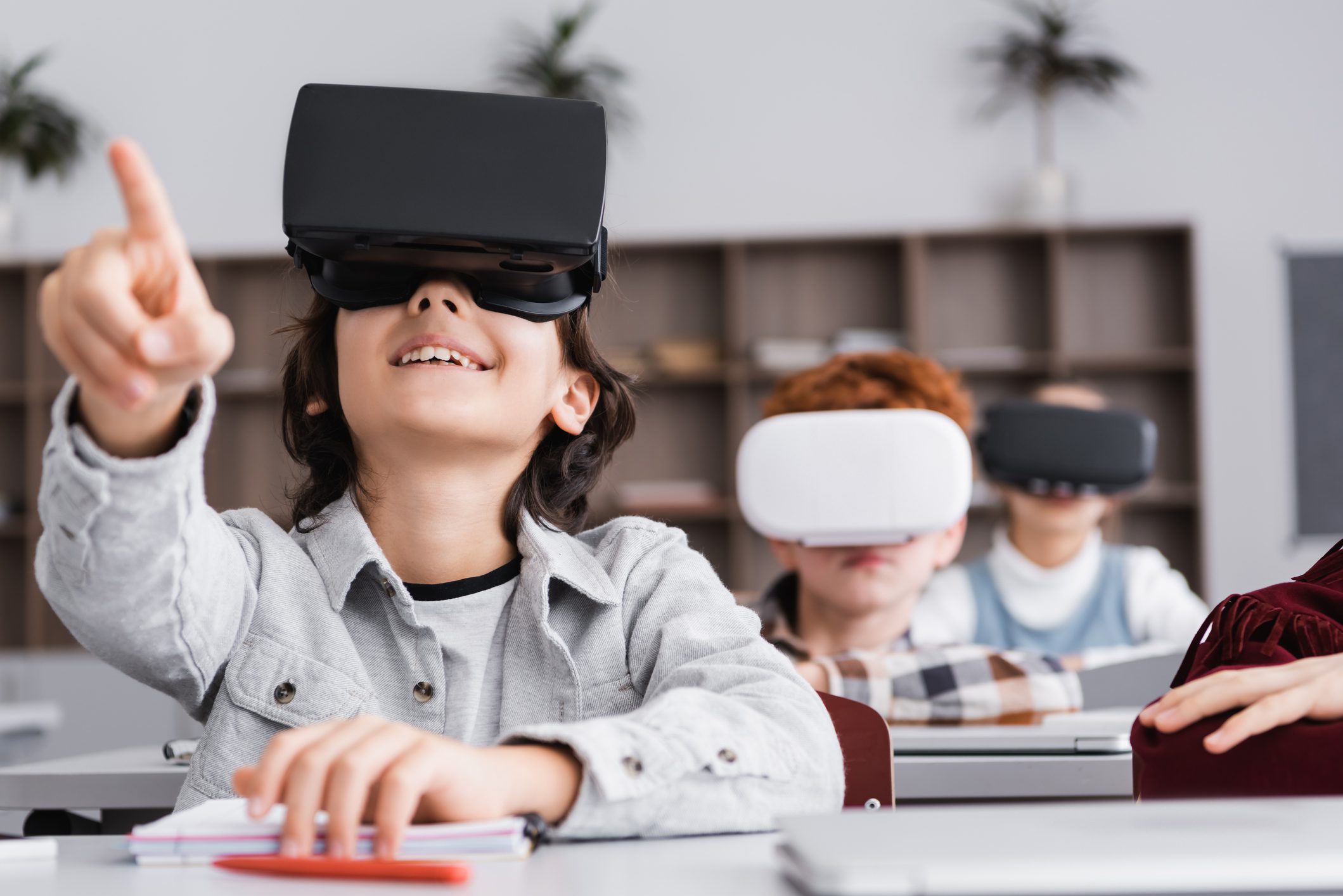
Trying something new in a school can create real momentum. A pilot launches. Teachers begin exploring a new tool. Students experience a different way to engage with a lesson. Possibilities that once felt difficult to bring into a classroom suddenly become much more accessible.
A successful pilot can reveal what technology makes possible. Turning that early success into something educators can use consistently is the next opportunity.
Long-term adoption depends on more than the technology itself. It depends on how naturally that technology fits into teaching, how clearly educators understand its purpose, plus how easily schools can put it into practice.
A Successful Pilot Is Only The Beginning
Pilot programs give schools space to explore new approaches before expanding them more broadly.
Educators can see how students respond. Leaders can identify where the technology adds value. Schools can learn what support teachers need before bringing the experience to more classrooms.
Those early lessons matter because successful implementation rarely happens simply by giving educators access to a new tool.
Real adoption happens when teachers can see where that tool belongs within instruction.
Technology Should Fit Into Teaching
Educators already make countless decisions about how to present content, respond to student needs, assess understanding, plus create meaningful learning experiences.
Technology becomes most useful when it expands those possibilities without asking teachers to completely redesign the way they teach.
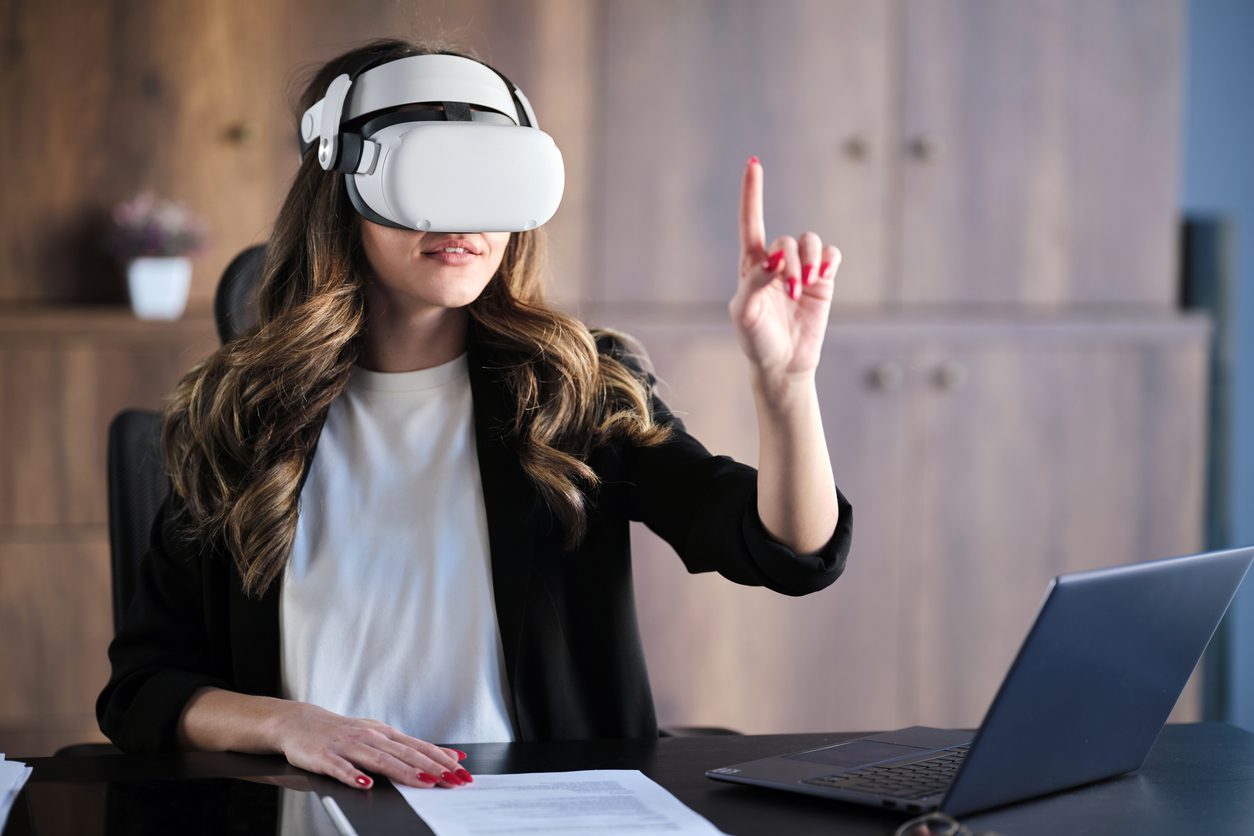
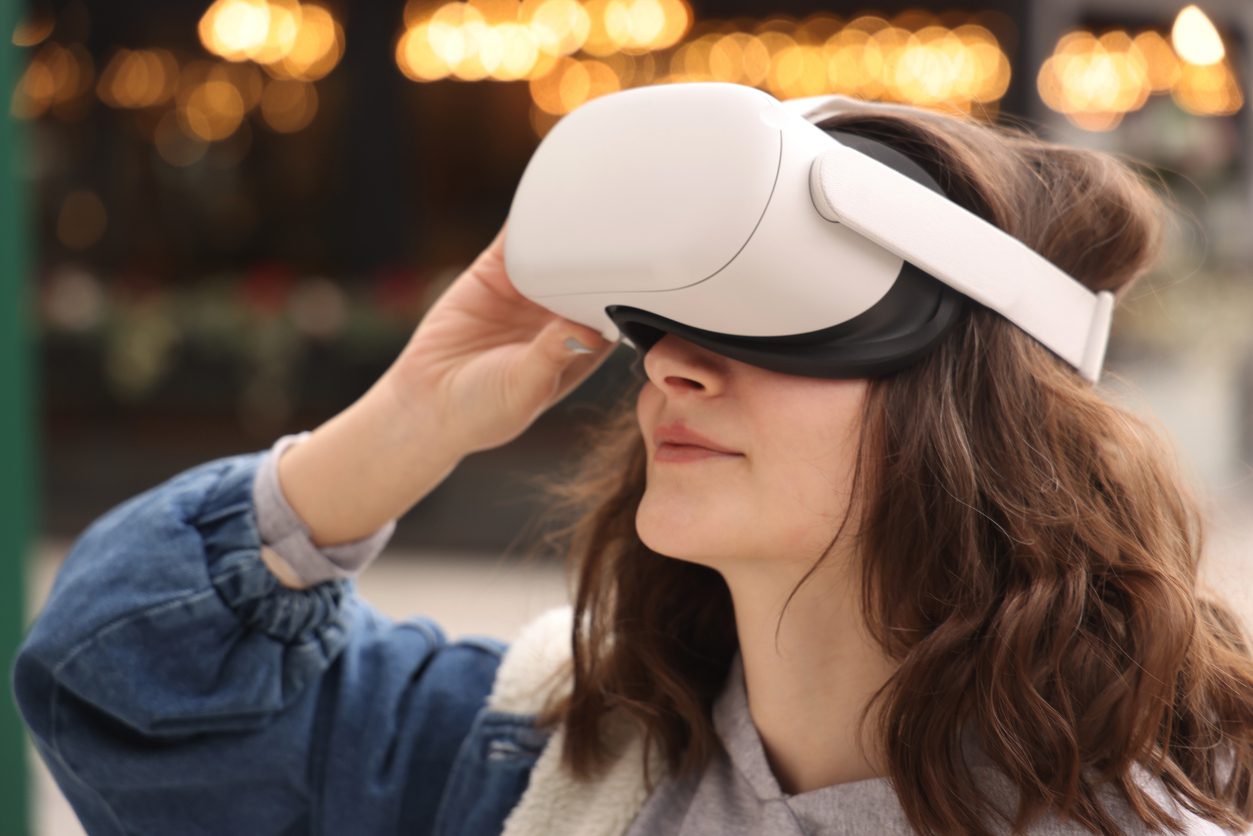
An immersive simulation might give students access to an environment they could not otherwise visit. An interactive experience might make an abstract concept easier to explore. AI-powered tools might create new opportunities for practice, discussion, or responsive learning.
In each case, educational value comes first.
Teachers should be able to recognize what the technology makes possible, then connect that opportunity to a meaningful instructional objective.
Give Educators A Reason To Keep Using It
Training can show educators how technology works. Lasting adoption comes from understanding why it is worth using.
Teachers are more likely to return to a tool when they see students doing something meaningful with it.
Maybe students are exploring a historical environment rather than only reading about it. Perhaps they are practicing a complex skill inside a simulation. They may be interacting with content in a way that creates better questions, deeper discussion, or a stronger connection to the lesson.
Those experiences give technology a purpose beyond novelty.
When educators can see the instructional value, technology becomes another way to extend what they are already working to accomplish.
Make Innovation Easier To Use
Powerful technology still needs practical implementation.
Schools should consider what educators need to use a new tool confidently. Curriculum alignment, ready-to-use content, reliable support, simple management, plus clear instructional applications can all make adoption easier.
Reducing unnecessary complexity matters just as much as adding capability.
Teachers should be able to spend their time thinking about the learning experience rather than managing the technology behind it.
Think Beyond One Classroom
A successful pilot often raises an exciting question: Where else could this work?
Perhaps an experience that began in one science classroom could support learning across multiple grade levels. A simulation used by one teacher might inspire applications in another subject. An immersive environment could give more students access to experiences that would otherwise be limited by geography, equipment, cost, or logistics.
Scaling innovation thoughtfully allows schools to extend those opportunities without losing sight of why the technology was valuable in the first place.
Build For What Comes Next
Education technology has the greatest impact when it becomes practical enough to use consistently.
That requires more than an innovative idea. Schools need technology that supports instructional goals, respects educator time, fits within real educational environments, plus creates opportunities worth returning to.
Optima approaches immersive learning, AI-powered experiences, digital content, plus emerging technologies with that goal in mind: helping education organizations turn new possibilities into learning experiences educators can actually put into practice.
A pilot can show what is possible.
Thoughtful implementation can make that possibility part of everyday learning.




Leave A Comment