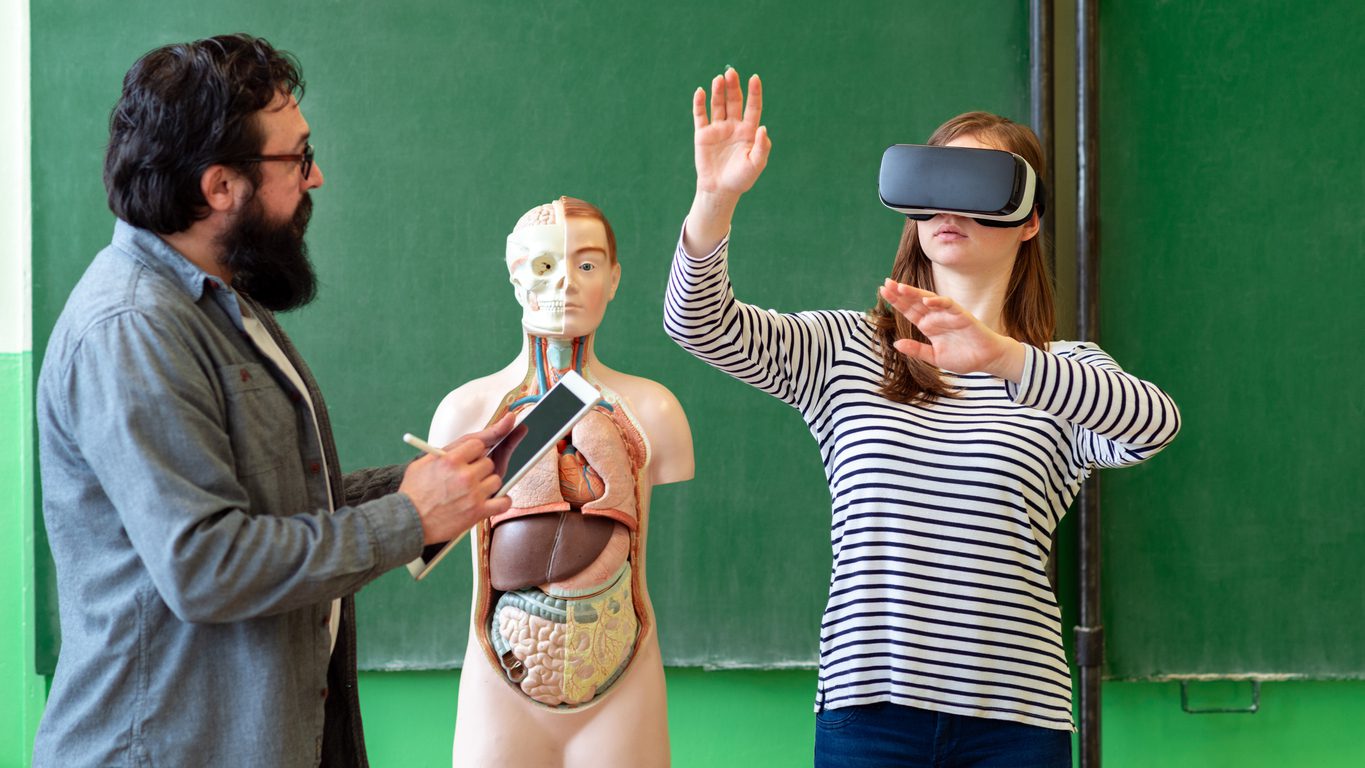
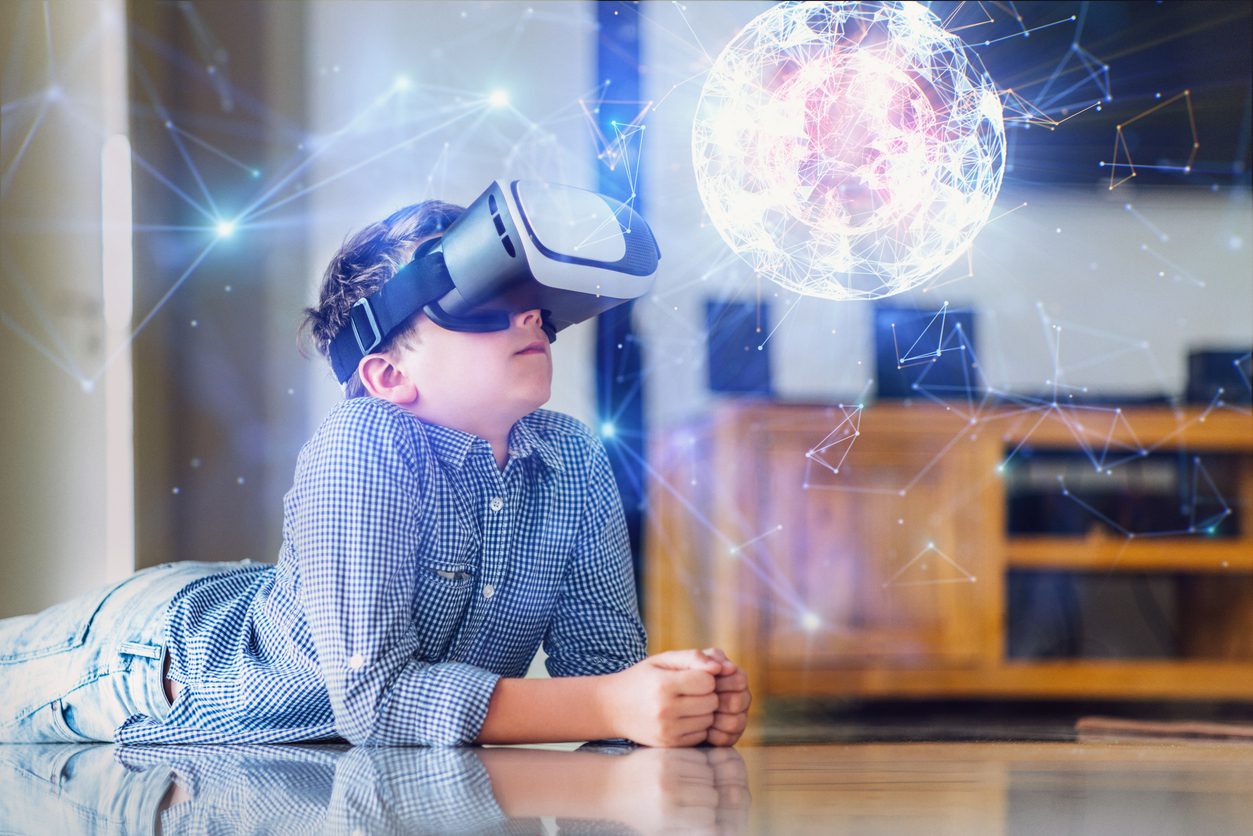
Education has always been shaped by the tools of its time. Today, a new layer has been added, one that doesn’t just present information but places students inside it. This is the essence of immersive learning.
At its core, immersive learning uses technology to create interactive environments where students actively engage with content rather than passively receive it. Instead of reading about a concept or watching it unfold on a screen, learners step into it, explore it, and experience it firsthand.
Defining Immersive Learning
Immersive learning is an educational approach that leverages tools like Virtual Reality (VR), Augmented Reality (AR), and interactive simulations to create a sense of presence within a lesson. The goal is not novelty. It is deeper understanding.
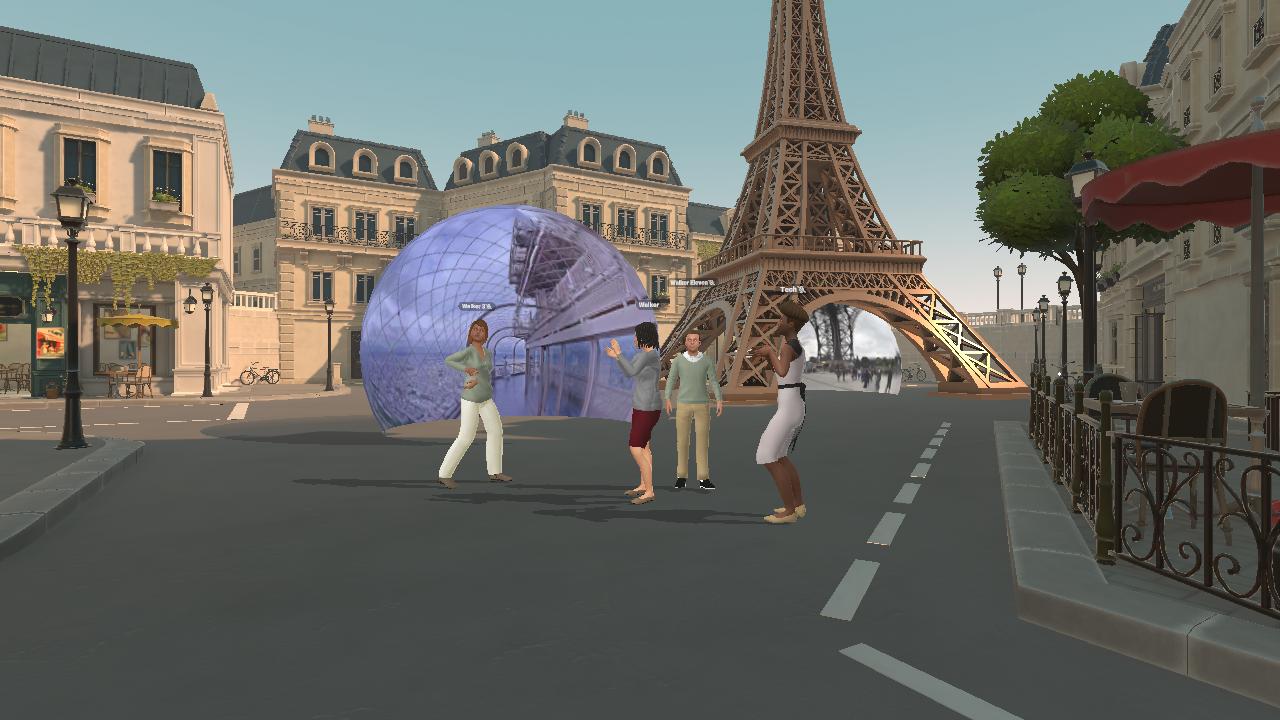
In a traditional classroom, a student might read about ancient Rome. In an immersive environment, that same student can walk through the Roman Forum, observe daily life, and connect historical facts to a lived experience. The difference is subtle in description but significant in impact. Learning becomes something students do, not something they watch.
How Immersive Learning Works
Immersive learning environments are designed to engage multiple senses and encourage active participation. This approach aligns with how the brain naturally processes and retains information.
Key elements include:
- Active exploration: Students navigate environments, make choices, and interact with content
- Contextual learning: Concepts are presented within realistic scenarios
- Immediate feedback: Learners see the results of their decisions in real time
- Emotional engagement: Experiences create stronger memory anchors than passive instruction
This combination transforms abstract ideas into tangible experiences. A science lesson is no longer confined to diagrams. A student can conduct experiments in a virtual lab, manipulate variables, and observe outcomes without limitations.
Why Immersive Learning Matters
The value of immersive learning is not just in its innovation but in its outcomes. It addresses several long-standing challenges in education.
1. Improved Knowledge Retention
When students actively participate in a lesson, they are more likely to remember it. Immersive environments create meaningful interactions that strengthen memory pathways. Instead of memorizing facts for a test, students build understanding through experience.
2. Increased Student Engagement
Attention is one of the most contested resources in modern education. Immersive learning captures it naturally. When students are placed inside a lesson, curiosity takes over. Engagement shifts from something that must be managed to something that happens organically.
3. Accessibility and Inclusivity
Immersive learning can adapt to a wide range of learning needs. Features like adjustable environments, interactive supports, and alternative ways to engage with content make education more accessible. Students who struggle in traditional settings often find new confidence when learning becomes more interactive and personalized.
4. Safe, Scalable Experiences
Not every learning experience is possible in the physical world. Field trips, complex science experiments, and historical explorations can be limited by cost, safety, or geography. Immersive learning removes these barriers, allowing students to explore freely within a controlled environment.
5. Real-World Skill Development
Immersive environments allow students to practice critical thinking, decision-making, and problem-solving in realistic scenarios. These are not just academic skills. They are life skills, developed through experience rather than theory.
Immersive Learning in Practice
At Optima, immersive learning is not a concept. It is part of how education is delivered every day.
As an education and technology company, Optima develops and delivers immersive learning experiences that bring curriculum to life. Through its work as the founding organization behind Optima Academy Online, the world’s first virtual reality school of record, Optima combines classical education with modern technology to create a learning environment that is both rigorous and engaging.
Students are not just learning about the world. They are stepping into it. They can explore historical settings, interact with complex scientific concepts, and engage with lessons in ways that deepen understanding and build lasting knowledge.
This approach reflects a broader belief: that excellent education should be accessible, engaging, and adaptable to the needs of every student.
The Future of Learning
Immersive learning is not a trend. It is an evolution in how education is delivered and experienced.
As technology continues to advance, the gap between knowing and experiencing will continue to close. Classrooms will no longer be defined by physical walls or static content. Instead, they will become dynamic environments where students can explore, question, and discover in ways that were not previously possible.
For families, educators, and institutions, the question is no longer whether immersive learning has a place in education. It is how it can be used to create more meaningful, effective learning experiences.
Because when students are fully engaged, learning doesn’t just happen.
It stays with them.

Bridgette Hudak